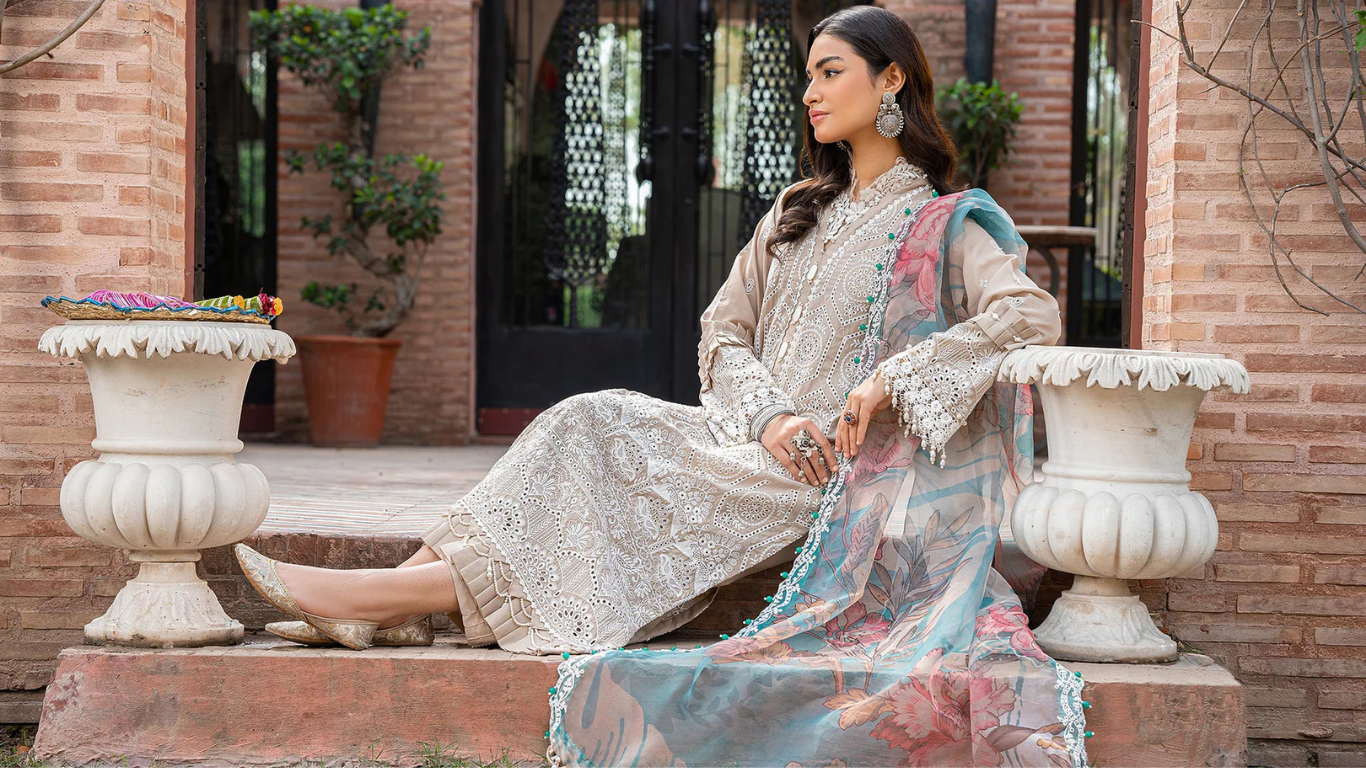
Timeless elegance — two simple words that carry the weight of centuries. Well, if there’s one thing the world’s greatest artists, architects, and fashion icons have always agreed on, it’s this: true elegance doesn’t chase trends. It defines them. From the clean marble columns of Ancient Greece to the understated black dress that Audrey Hepburn made famous, timeless elegance has always been the gold standard of beauty, sophistication, and grace.
But what does it really mean to be timeless? And more importantly, how can you bring that kind of lasting elegance into your everyday life? Whether you’re talking about the way you dress, the way you design your home, or even the way you carry yourself, timeless elegance is something anyone can learn, embrace, and live by.
Let’s dive in — because this is one style lesson that never gets old.
What Is Timeless Elegance, Really?
At its heart, timeless elegance is the quality of being beautiful, refined, and polished in a way that doesn’t depend on what’s currently popular. It’s about choosing things — clothes, furniture, habits, words — that look and feel just as good twenty years from now as they do today.
Think of it this way: trends are like seasons. They come and go, sometimes with dramatic flair, sometimes quietly. But timeless elegance is the weather that stays calm and clear no matter what. It’s steady. It’s confident. And it never, ever feels desperate for attention.
Here’s what timeless elegance is not:
- It’s not about being boring or plain
- It’s not about spending a fortune on luxury labels
- It’s not reserved for a particular age, gender, or culture
- It’s not rigid or stiff — true elegance breathes
Instead, timeless elegance is about intentionality. It’s about making deliberate choices that reflect quality, simplicity, and character. It’s about knowing who you are and expressing that clearly — without apology and without noise.
The Deep Roots of Timeless Elegance in History
Oh, elegance has been around forever. Long before fashion weeks or interior design magazines, people were reaching for beauty and refinement in their daily lives. The ancient Egyptians wore linen in clean white folds. The Greeks built temples with perfect proportions. The Japanese developed the concept of wabi-sabi — finding quiet beauty in simplicity and imperfection.
During the Renaissance, European aristocracy made elegance synonymous with education, manners, and refined taste. The French, of course, took it to another level entirely — and honestly, they never looked back. Paris became the capital of good taste, a title it still holds in many people’s minds today.
By the 20th century, designers like Coco Chanel and Giorgio Armani helped democratize elegance, bringing it out of royal palaces and into everyday wardrobes. Chanel’s famous quote — “Elegance is refusal” — sums it up beautifully. Timeless elegance is about knowing what not to add just as much as knowing what to include.
The lesson from history? Elegance has always survived because it is rooted in truth — in the honest, beautiful expression of quality and care.
Timeless Elegance in Fashion: Dressing With Purpose
Now, here’s where it gets really exciting. Fashion is perhaps the most visible arena in which timeless elegance plays out. And yet, it’s also where most people get confused. With trends changing every season, it can feel impossible to build a wardrobe that truly stands the test of time.
But here’s the thing — it’s not that hard, if you know the rules.
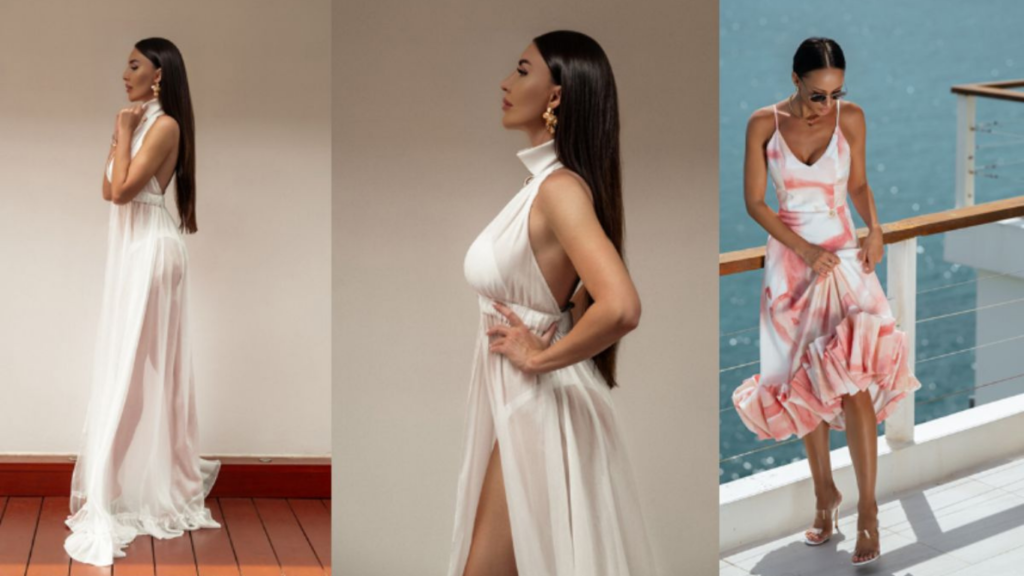
The Capsule Wardrobe Philosophy
A capsule wardrobe is built on the idea that a small number of high-quality, versatile pieces can serve you better than a closet bursting with trendy items. The key pieces of a timeless wardrobe include:
| Category | Classic Timeless Pieces |
| Tops | White button-down shirt, silk blouse, navy crewneck |
| Bottoms | Tailored trousers, dark denim, A-line skirt |
| Outerwear | Trench coat, blazer, camel coat |
| Footwear | Leather loafers, simple heels, white sneakers |
| Accessories | Pearl earrings, leather belt, structured handbag |
| Dresses | Little black dress, wrap dress, shirt dress |
These pieces never go out of style because they’re designed around fit, fabric, and function — not flash.
Colors That Never Fail
Timeless elegance in fashion leans heavily on a palette of neutral, enduring colors:
- Black — always powerful, always polished
- White and cream — clean, fresh, and universally flattering
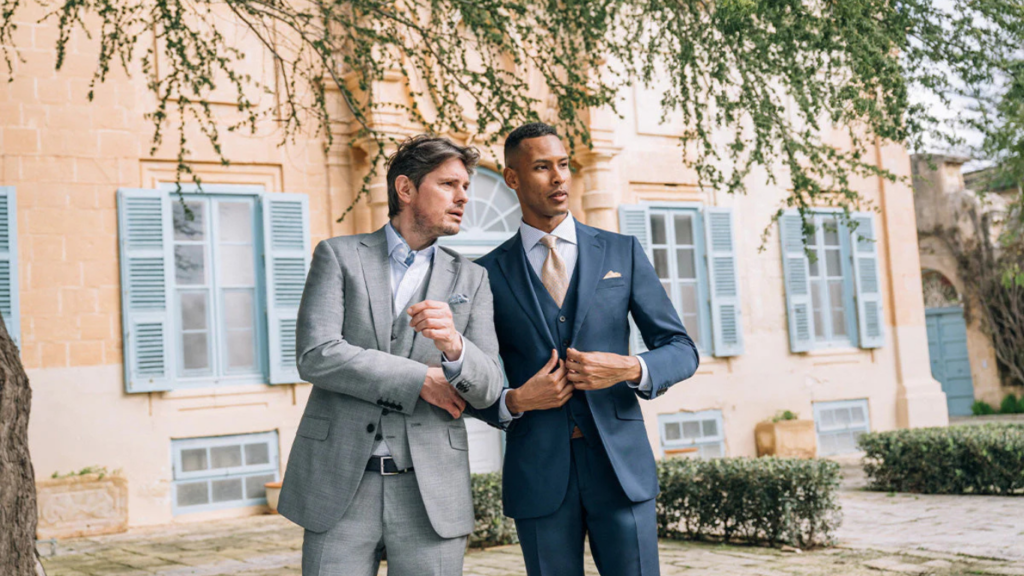
- Navy blue — sophisticated without being severe
- Camel and beige — warm, earthy, and incredibly versatile
- Grey — modern, refined, and effortlessly chic
Of course, that doesn’t mean you can’t wear color! It just means your foundation should be neutral, so that pops of color feel intentional rather than chaotic.
Quality Over Quantity — Always
The golden rule of timeless fashion is simple: buy less, but buy better. A well-made wool coat that lasts fifteen years is far more elegant — and far more economical — than five cheap ones that fall apart after two seasons.
Look for natural fabrics like wool, silk, linen, cotton, and leather. Pay attention to stitching, lining, and construction. A well-made garment feels different the moment you put it on. And that feeling? That’s elegance.
Timeless Elegance in Interior Design: Spaces That Breathe
Step inside a truly elegant room, and you’ll feel it before you see it. There’s a hush to it — a sense of calm and order that makes your shoulders drop and your mind settle. That’s timeless elegance at work in your living space.
Great interior design that stands the test of time follows a few key principles:
Proportion and Balance
A room should feel balanced — not perfectly symmetrical, but balanced. Furniture should be proportional to the space it occupies. A large sofa in a small room feels suffocating. A tiny chair in a grand hall feels lost. Timeless elegance always gets the scale right.
Quality Materials
Just as in fashion, timeless interior design relies on quality materials:
- Marble — cool, durable, and eternally beautiful
- Hardwood floors — warm, rich, and ageless
- Natural stone — earthy and full of character
- Linen and cotton textiles — soft, breathable, and unfussy
- Brass and bronze hardware — classic metals that patina beautifully with age
Restraint in Decoration
Here’s a principle that’s easy to say and hard to practice: less is more. Timeless rooms are not cluttered. They don’t have seventeen decorative objects on every surface. They have a few beautiful, meaningful things — placed with intention — and then they let the space breathe.
As Coco Chanel once advised: before you leave the house, look in the mirror and remove one accessory. The same rule applies to interior design. Before you call a room “done,” see what you can take away.
The Role of Manners and Behavior in Timeless Elegance
Here’s something that often gets overlooked: timeless elegance isn’t just about how things look — it’s about how you act.
The most beautifully dressed person in the room loses their elegance the moment they’re rude to a waiter. The most stunning home feels cold if its owner is dismissive and unkind. Real elegance, the kind that truly lasts, is built on character.
Behaviors that reflect timeless elegance include:
- Listening more than you speak — there’s real grace in giving others your full attention
- Being punctual — respecting other people’s time is a quiet form of elegance
- Writing thank-you notes — a small but powerful gesture that never goes out of style
- Speaking calmly and clearly — loud, aggressive communication rarely reads as refined
- Showing genuine curiosity — asking good questions and being interested in others is inherently elegant
These are habits, and like all habits, they can be developed. The good news They don’t cost a penny.
Timeless Elegance in Art and Architecture
Walk through the halls of the Louvre, stand beneath the dome of the Panthéon, or gaze at Michelangelo’s David — and you’ll understand intuitively what makes something timeless. These works don’t belong to any one era. They speak to something universal in human experience.
In architecture, timeless elegance is found in:
- Symmetry and proportion (think classical Greek and Roman temples)
- Honest use of materials — stone that looks like stone, wood that looks like wood
- Clean lines that don’t follow passing fads
- Buildings that serve their purpose beautifully without unnecessary ornamentation
In visual art, timeless elegance tends toward:
- Mastery of technique — the kind that’s visibly difficult to achieve
- Emotional resonance — works that make you feel something lasting
- Compositional balance — a visual harmony that guides the eye naturally
- Subject matter rooted in universal human experience
Interestingly, the most timeless artworks are rarely the trendiest of their era. Many were actually considered unusual or even controversial when first created. It’s only with the passage of time that their true depth became visible. That’s the funny thing about timeless elegance — sometimes it takes a while for the world to catch up.
How to Cultivate Timeless Elegance in Your Daily Life
So, how do you actually live this? Thankfully, timeless elegance isn’t some lofty ideal reserved for the fabulously wealthy or the naturally gifted. It’s a set of daily habits and deliberate choices that anyone can develop.
Here are some practical, real-world ways to bring timeless elegance into your everyday life:
Start with your wardrobe:
- Donate anything that doesn’t fit well or feel good
- Invest in one or two well-made basics each season
- Learn to care for your clothes properly (hand washing, steaming, proper storage)
Tend to your home:
- Clear your surfaces — keep only what you use or truly love
- Add one quality piece rather than several cheap ones
- Fresh flowers, good lighting, and a clean space go a long way
Refine your communication:
- Write clearly and thoughtfully — in emails, in texts, in conversation
- Practice the art of the pause — don’t rush to fill silence
- Be generous with compliments and gratitude
Invest in your mind:
- Read broadly and deeply — literature, history, art, philosophy
- Learn to appreciate beauty in unexpected places
- Develop opinions and express them with confidence and grace
Care for your body:
- Good posture is one of the most underrated elegance tools there is
- Regular exercise, good sleep, and proper hydration all contribute to a certain natural radiance
- A consistent grooming and skincare routine is worth its weight in gold
Why Timeless Elegance Still Matters in the Modern World
In an age of fast fashion, viral trends, and constant digital noise, some people might wonder: does timeless elegance even matter anymore? The answer, without question, is yes — perhaps more than ever.
We live in a world that’s moving at a dizzying pace. New trends appear and disappear before we’ve even had a chance to try them. Social media bombards us with thousands of images daily, each one telling us something slightly different about what we should look like, own, or desire. It’s exhausting. And it’s deeply unsatisfying.
Timeless elegance offers an alternative. It says: slow down. Choose well. Buy less. Own fewer, better things. It offers a kind of freedom that fast consumption never can — the freedom of clarity. When your wardrobe, your home, and your habits are built on solid, enduring principles, you spend less time second-guessing and more time simply living.
There’s also an environmental argument to be made here. Fast fashion and disposable home décor are serious contributors to waste and pollution. Choosing timeless, quality pieces that last for years — or even decades — is not just elegant. It’s responsible.
Common Misconceptions About Timeless Elegance
Let’s clear the air on a few things, because there are some surprisingly persistent myths about what timeless elegance actually is.
Myth #1: It’s only for the wealthy. Not true. Timeless elegance is about attitude and intention, not price tags. A well-pressed white shirt from a modest brand is more elegant than a crumpled designer piece worn carelessly.
Myth #2: It means wearing only classic or old-fashioned things. Not at all. Timeless elegance can absolutely incorporate contemporary elements. The key is that those choices are made with thought, not just because something is “in” right now.
Myth #3: It’s boring. Far from it. The most elegant people in history have been some of the most interesting — because true elegance comes from a strong, well-developed sense of self. That’s anything but boring.
Myth #4: You have to be a certain age to “get” it. Absolutely not. Young people can be deeply elegant, and older people can be thoroughly inelegant. It’s not about age — it’s about awareness, discipline, and taste.
Building a Legacy of Timeless Elegance
Perhaps the most beautiful thing about timeless elegance is that it has the power to outlast us. The choices we make — the furniture we invest in, the values we model, the manner in which we treat others — can echo through generations.
Think of the grandmother who kept a spotless home and always set a beautiful table, even for ordinary Tuesday dinners. Or the grandfather who wore the same well-made watch for forty years. Or the mother who wrote handwritten notes to friends on beautiful paper. These aren’t grand gestures — but they leave a mark.
Timeless elegance, in this sense, is about building a life that means something. It’s about the quiet confidence of knowing your choices are sound, your home is welcoming, your presence is a gift rather than a burden, and your style doesn’t depend on what anyone else is doing this season.
In the end, timeless elegance is a form of respect — for yourself, for others, and for the world around you. And that, as it turns out, never goes out of style.
Conclusion
Timeless elegance is far more than a design aesthetic or a fashion philosophy. It is, at its very core, a way of being in the world. It’s the quiet discipline of choosing quality over quantity, substance over flash, and character over trend. It’s the art of expressing yourself with clarity and confidence, whether through the clothes you wear, the spaces you inhabit, the words you choose, or the kindness you show to others.
The good news is that timeless elegance is available to absolutely everyone. It doesn’t require a large budget, a perfect physique, or a professional stylist. It requires only attention, intention, and a willingness to think beyond the moment. Start small — with one excellent piece of clothing, one beautiful corner of your home, one daily habit of grace — and watch it grow.
Because in a world full of noise, the most powerful thing you can be is quietly, enduringly elegant. And that, dear reader, is a gift that time can never take away.
FAQs
What is the true meaning of timeless elegance?
Timeless elegance refers to a style, quality, or manner of living that remains beautiful, refined, and relevant regardless of passing trends. It’s rooted in quality, simplicity, good taste, and intentionality — whether in fashion, design, behavior, or communication.
How can I develop a timeless elegant style on a budget?
Focus on fit, fabric, and neutral colors. Shop secondhand for quality pieces, learn basic clothing care, and invest slowly in a few well-made classics rather than many cheap trendy items. Elegance is about how things are worn and carried, not how much they cost.
What are the key colors of a timeless elegant wardrobe?
The most enduring wardrobe colors include black, white, cream, navy blue, camel, and grey. These neutrals form a solid foundation that can be dressed up or down and never feel dated.
Is timeless elegance relevant in today’s fast-paced world?
Absolutely — in fact, it may be more relevant than ever. In an age of fast fashion, viral trends, and constant digital noise, timeless elegance offers a refreshing sense of clarity, calm, and purpose. It’s also more sustainable and environmentally responsible.
Can timeless elegance be applied to interior design as well as fashion?
Yes, completely. Timeless elegance in interior design involves using quality natural materials, maintaining good proportion and balance, keeping décor restrained and intentional, and choosing pieces that are built to last rather than to follow current trends.