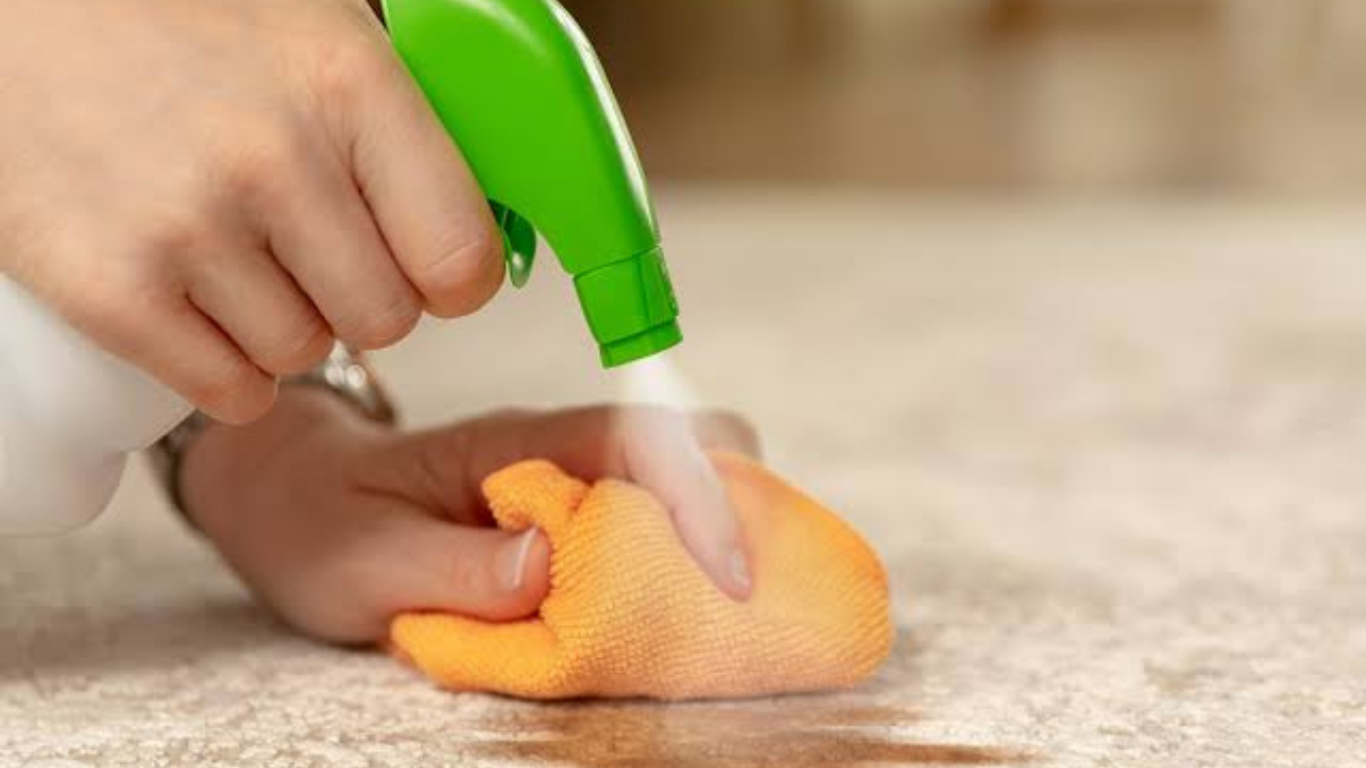
Learning how to clean carpet stains is one of those life skills that truly saves the day — and your carpet. Whether it’s a knocked-over glass of red wine during a dinner party or muddy paw prints trailing across the living room, stains happen to the best of us. The good news? Most carpet stains are absolutely manageable with the right techniques, a cool head, and a few household supplies.
This guide breaks it all down clearly and confidently, from understanding what causes stains to tackling the toughest spots with pro-level know-how. Let’s dive right in.
Why Acting Fast Is the Key to Stain Removal
Here’s the thing about carpet stains — time is not your friend. The moment a spill hits your carpet fibres, it starts working its way deeper into the pile and even into the backing material underneath. The quicker you act, the better your chances of a full clean-up.
When a spill happens, the liquid spreads outward and downward. If left to dry, it bonds with the carpet fibres, making it much harder to lift out later. Some stains, like red wine or pet urine, can permanently discolour carpet if they’re allowed to set.
Key reasons to act immediately:
- Wet stains are far easier to blot and lift than dried ones
- Fresh stains haven’t yet bonded fully with the fibres
- Quick action prevents stains from reaching the carpet backing
- Fast treatment reduces the risk of permanent discolouration
So, the next time something spills — don’t panic, but do move quickly. Grab a clean cloth and start blotting right away.
Understanding Different Types of Carpet Stains
Not all stains are created equal. Before you reach for a cleaning product, it helps to know what you’re dealing with. Different stains respond to different treatments, and using the wrong method can actually make things worse.
Water-Soluble Stains
These are, thankfully, the easier ones. They dissolve in water, which means a simple mixture of water and mild dish soap often does the trick.
Examples include:
- Fruit juice
- Milk
- Mud (once dry)
- Washable ink
- Food colouring
Oil-Based Stains
These are trickier because water alone won’t budge them. You’ll need a solvent-based cleaner or something that can cut through grease.
Examples include:
- Butter and margarine
- Cooking oil
- Lipstick or cosmetics
- Tar or grease
Protein-Based Stains
Blood, egg, and pet waste fall into this category. These stains require cool water — never hot — because heat causes the proteins to set permanently into the fibres.
Tannin Stains
Red wine, tea, coffee, and berries contain tannins, which are plant-based compounds that bind strongly to fabric. These often require an enzyme-based cleaner or a vinegar solution for best results.
Essential Supplies You’ll Want on Hand
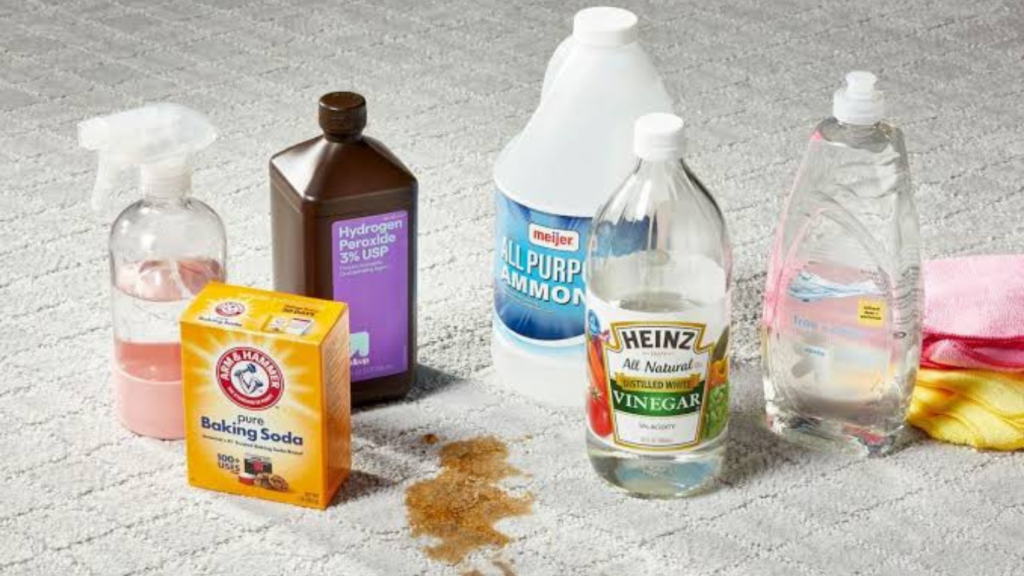
Before jumping into the how-to, let’s talk about what you’ll need. The great news is that most of these items are already sitting in your home. You don’t need a cabinet full of expensive products — just the right ones.
| Supply | Purpose |
| Clean white cloths or paper towels | Blotting and absorbing spills |
| Cold water | Diluting and rinsing stains |
| Mild dish soap | Lifting grease and general stains |
| White vinegar | Breaking down tannin and odour-causing stains |
| Baking soda | Absorbing moisture and neutralising odours |
| Hydrogen peroxide (3%) | Treating tough or set-in stains |
| Enzyme-based cleaner | Breaking down protein stains like pet urine |
| Soft-bristled brush | Gentle scrubbing without damaging fibres |
| Spray bottle | Even application of cleaning solutions |
| Rubber gloves | Protecting your hands during cleaning |
Having these supplies ready before disaster strikes means you’re not scrambling around wasting precious time when a stain appears.
How to Clean Carpet Stains Step-by-Step
Now here’s the meat of it — the actual process. Follow these steps carefully, and you’ll be amazed at how much you can remove even from stubborn stains.
Step One: Blot, Don’t Rub
This is the golden rule of carpet stain removal and it cannot be stressed enough. Rubbing a stain spreads it outward and pushes it deeper into the fibres. Always blot — press down firmly with a clean cloth and lift. Work from the outer edges of the stain inward to prevent spreading.
Step Two: Remove Solid Debris
If there’s any solid material (food, mud, pet waste), scoop or scrape it gently off the surface first using a spoon or dull knife. Don’t press it into the carpet — lift it away cleanly.
Step Three: Apply Your Cleaning Solution
Depending on the stain type, choose your appropriate solution:
- General stains: Mix 1 teaspoon of dish soap with 1 cup of warm water
- Tannin stains (wine, coffee): Mix equal parts white vinegar and water
- Pet stains: Use an enzyme-based cleaner directly
- Grease stains: Apply a small amount of dry-cleaning solvent or rubbing alcohol
Apply the solution sparingly to the stain — don’t drench the carpet. Wet carpet backing can lead to mould growth underneath.
Step Four: Blot and Repeat
Apply the solution, then blot with a clean cloth. Repeat the process several times, using fresh sections of cloth as they become soiled. You’ll see the stain transferring onto the cloth — that’s exactly what you want.
Step Five: Rinse Thoroughly
Once the stain is lifted, dampen a clean cloth with plain cold water and blot the area to rinse away any cleaning residue. Leftover soap can actually attract more dirt over time, so this step is important.
Step Six: Dry the Area Completely
Press dry towels firmly onto the area and weigh them down with something heavy (like a stack of books) for 15–20 minutes to absorb as much moisture as possible. Then allow the area to air dry completely. A fan or open window speeds this up nicely.
Step Seven: Vacuum When Dry
Once fully dry, vacuum the area to restore the carpet’s natural texture and lift any remaining residue.
Tackling the Most Common Carpet Stains
Let’s get specific. Here’s how to handle the stains that pop up most often in everyday life.
Red Wine Stains
Ah, the classic party problem! Act fast — blot up as much wine as possible immediately. Then mix one tablespoon of dish soap, one tablespoon of white vinegar, and two cups of warm water. Apply, blot, and rinse. For stubborn stains, a small amount of hydrogen peroxide (test on a hidden area first) can work wonders.
Coffee and Tea Stains
These tannin-heavy stains respond well to a vinegar-and-water solution. Mix one part white vinegar with two parts water, apply to the stain, blot thoroughly, then rinse with cold water.
Pet Urine Stains
The secret weapon here is an enzyme-based cleaner. These products break down the proteins in urine that cause both the stain and the odour. Blot up fresh urine first, then saturate the area with the enzyme cleaner, allow it to sit for 10–15 minutes, and blot clean. Follow up with baking soda to neutralise any lingering smell.
Mud Stains
Counterintuitively, let mud dry completely before tackling it. Once dry, vacuum up as much as possible, then treat the remaining stain with a dish soap and water solution.
Grease and Oil Stains
Sprinkle baking soda or cornstarch generously over the stain and let it sit for 15 minutes to absorb the oil. Vacuum it up, then apply a small amount of rubbing alcohol or dish soap with a cloth and blot the stain until it lifts.
Ink Stains
Rubbing alcohol is your best friend here. Dab a small amount onto a clean cloth and blot the ink stain gently. Work carefully — ink can spread if you’re not precise. Rinse with cold water afterward.
Natural and DIY Cleaning Solutions That Actually Work
Many people prefer to avoid harsh chemicals, especially in homes with children or pets. Fortunately, there are some brilliant natural alternatives that are effective, affordable, and safe.
Baking Soda and White Vinegar
A classic combination. Sprinkle baking soda over the stain, then spray with a vinegar-and-water solution. The fizzing reaction helps lift the stain from the fibres. Let it sit for a few minutes, then blot clean.
Club Soda
An old favourite, particularly for wine and juice stains. Pour a small amount directly onto the stain and blot immediately. The carbonation helps bring the stain to the surface.
Salt
Salt is excellent for fresh red wine spills. Pour it generously over the spill right away — it absorbs the wine before it sets. Leave it for a minute, then vacuum or sweep it up and follow with your chosen cleaning solution.
Dish Soap and Hydrogen Peroxide
Mix one part dish soap with two parts 3% hydrogen peroxide. This combination tackles tough stains beautifully. Always spot-test on an inconspicuous area first, as hydrogen peroxide can lighten some carpet colours.
Mistakes to Avoid When Cleaning Carpet Stains
Well-meaning folks often make a few common errors that make stains worse. Knowing what not to do is just as important as knowing the right technique.
- Rubbing instead of blotting — This spreads the stain and pushes it deeper
- Using hot water — Heat sets protein stains permanently into fibres
- Over-wetting the carpet — Excess moisture can lead to mould and mildew under the carpet
- Using coloured cloths — Dye from the cloth can transfer onto the carpet
- Skipping the rinse step — Soap residue left behind attracts dirt faster
- Testing new products without a spot test — Some cleaners discolour or damage certain carpet types
- Waiting too long to treat — The longer a stain sits, the harder it is to remove
Avoiding these pitfalls can mean the difference between a clean carpet and a permanent reminder of last Tuesday’s spaghetti incident.
When to Call in a Professional Carpet Cleaner
Sometimes, despite your best efforts, a stain just won’t budge. And that’s okay — it doesn’t mean you’ve failed. There are situations where professional help is the smart move.
Consider calling a professional when:
- The stain covers a large area or has deeply penetrated the carpet backing
- You’re dealing with sewage, heavy mould, or chemical contamination
- DIY methods have lightened but not fully removed the stain
- You have delicate or expensive carpet that requires specialist care
- The carpet has a strong, persistent odour despite cleaning attempts
Professional carpet cleaners use industrial-grade equipment like hot water extraction machines that can remove stains and deep-seated dirt that home methods simply can’t match. It’s an investment, but for valuable or heavily stained carpets, it’s absolutely worth it.
Keeping Your Carpet Stain-Free: Preventive Tips
The best way to deal with carpet stains is to prevent them in the first place. A few smart habits go a long way.
- Use carpet protector spray — Products like Scotchgard create a protective barrier that repels spills before they soak in
- Implement a no-shoes rule — Shoes track in oil, mud, and grime from outside
- Use rugs in high-traffic areas — Area rugs protect your main carpet and are easier to clean or replace
- Address spills immediately — The faster you act, the better the outcome
- Vacuum regularly — Regular vacuuming prevents dirt from being ground into fibres
- Place mats at entrances — These catch a huge amount of dirt before it reaches your carpet
Conclusion
Knowing how to clean carpet stains gives you real confidence and control in your home. From red wine disasters to muddy footprints and everything in between, the right technique and a handful of everyday products are all you need. Remember — blot, don’t rub; act fast; choose the right solution for the stain type; and always rinse thoroughly afterward.
Carpets are an investment, and taking care of them keeps your home looking its best for years to come. With the methods shared in this guide, you’re fully equipped to handle whatever life throws on your floor. So don’t stress the next time there’s a spill — you know exactly what to do.
FAQs
What is the fastest way to clean carpet stains at home?
The fastest method is to blot the stain immediately with a clean white cloth to absorb as much liquid as possible, then apply a mixture of dish soap and cold water. Blot repeatedly until the stain lifts, then rinse with clean cold water and blot dry.
Does baking soda really remove carpet stains?
Yes, baking soda is effective particularly for absorbing moisture and neutralising odours. When combined with white vinegar, the fizzing action helps lift many types of stains from carpet fibres. It works best on fresh stains and odour-causing residue.
Can old, dried carpet stains be removed?
Many dried stains can still be removed, though it requires more effort. Rehydrate the stain with a small amount of cold water first, then apply your chosen cleaning solution and allow it to sit for a few minutes before blotting. Enzyme-based cleaners and hydrogen peroxide solutions are particularly helpful for set-in stains.
Is it safe to use hydrogen peroxide on carpets?
Hydrogen peroxide (3% concentration) can be effective on tough stains, but it should always be spot-tested on a hidden area of carpet first. It can lighten or bleach certain carpet colours, particularly darker shades, so caution is essential.
How do professionals clean carpet stains differently?
Professional carpet cleaners typically use hot water extraction (also called steam cleaning), which injects hot water and cleaning solution deep into carpet fibres and then extracts it along with dirt and stains. This method removes stains and allergens far more effectively than home methods and is especially useful for deep-set or widespread staining.