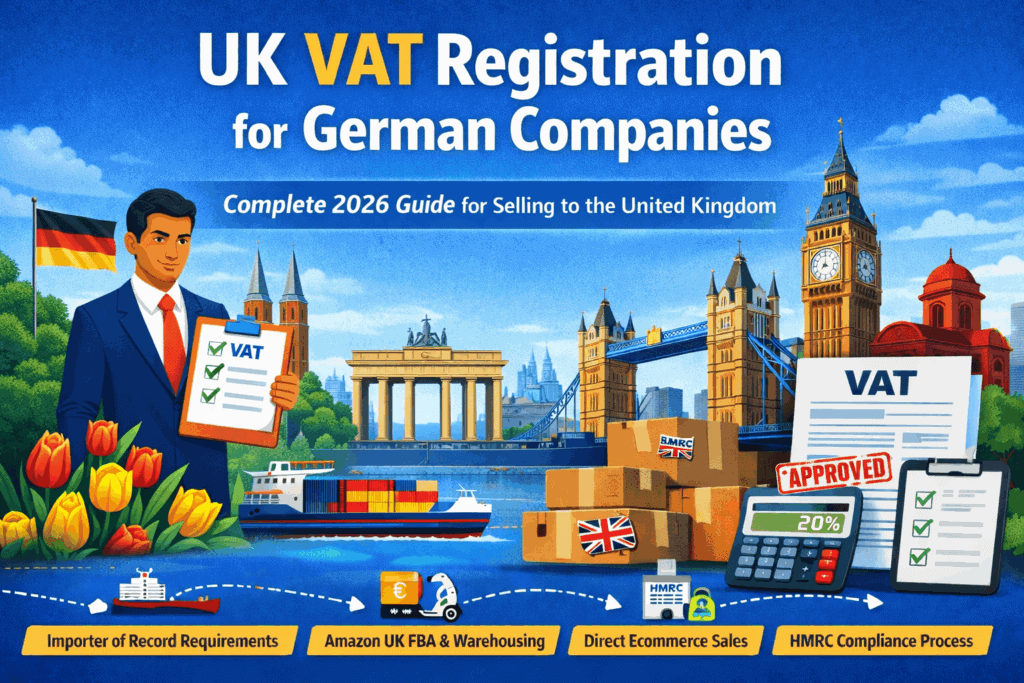
The VAT threshold 2026 is one of the most important numbers for UK small businesses, sole traders, freelancers and limited companies. As of March 2026, the official UK VAT registration threshold stands at £90,000 of taxable turnover in any rolling 12-month period. This figure has remained unchanged since it rose from £85,000 in April 2024 and is confirmed by HMRC with no reduction or increase scheduled for April 2026.
Whether you run an online store, consultancy, trades business or e-commerce operation, understanding the VAT threshold 2026 helps you avoid costly penalties, plan cash flow and decide whether voluntary registration makes sense. This 1,500-word guide covers everything: current rules, monitoring turnover, registration deadlines, voluntary pros and cons, deregistration, related schemes and expert pro tips for 2026.
Making Tax Digital & VAT 2025–2026: Guide for UK SMEs | Audit Consulting Group
What Is the VAT Threshold 2026 and Why It Matters
The VAT threshold is the turnover level at which HMRC requires you to register for Value Added Tax. Once your taxable sales (standard-rated, reduced-rated and zero-rated supplies) exceed £90,000 in any 12-month rolling period, registration becomes mandatory.
Taxable turnover excludes exempt supplies such as insurance, education or certain financial services. The threshold applies to the UK as a whole (including Northern Ireland for acquisitions from the EU at the same £90,000 level).
Why does the VAT threshold 2026 matter so much? Crossing it means:
- Charging 20% VAT on most sales
- Reclaiming VAT on purchases
- Filing quarterly or monthly VAT returns
- Potential cash-flow impact
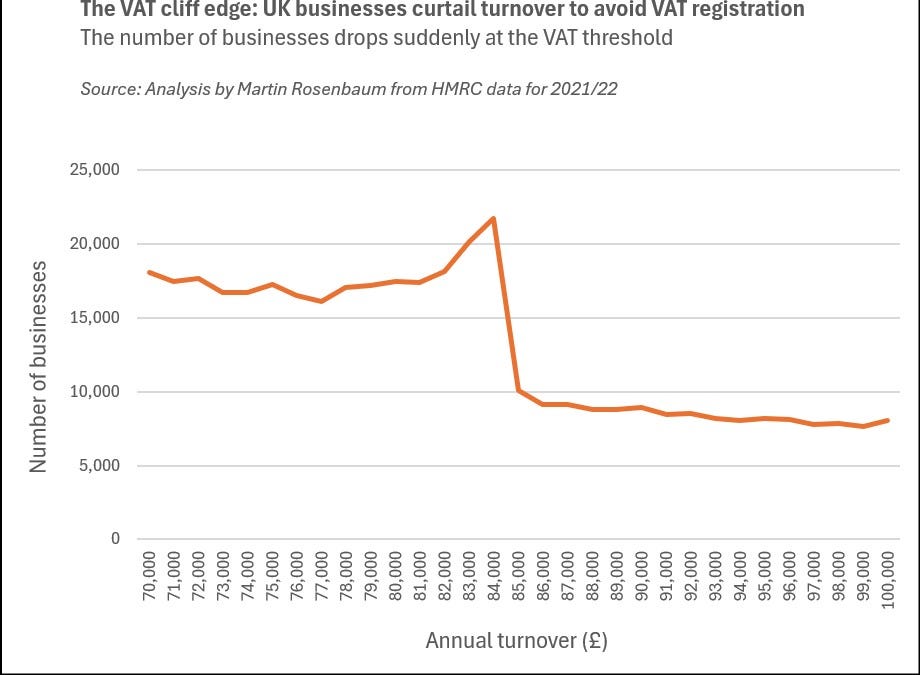
Many businesses deliberately stay just below the threshold to avoid administration. However, this “VAT cliff edge” can limit growth.
Current VAT Threshold 2026 Figures (Official HMRC)
- Registration threshold: £90,000 (taxable turnover in any rolling 12 months)
- Deregistration threshold: £88,000 (optional cancellation if below for 12 months)
- Northern Ireland acquisitions from EU: £90,000
- EU distance selling from NI: £8,818 across the EU
No changes to the main threshold are confirmed for April 2026. The deregistration limit sits deliberately £2,000 below registration to give breathing room.
Other related thresholds for 2026:
- Flat Rate Scheme entry: £150,000 or less
- Cash/Annual Accounting Schemes: £1.35 million or less
When and How to Register for VAT in 2026
You must register if:
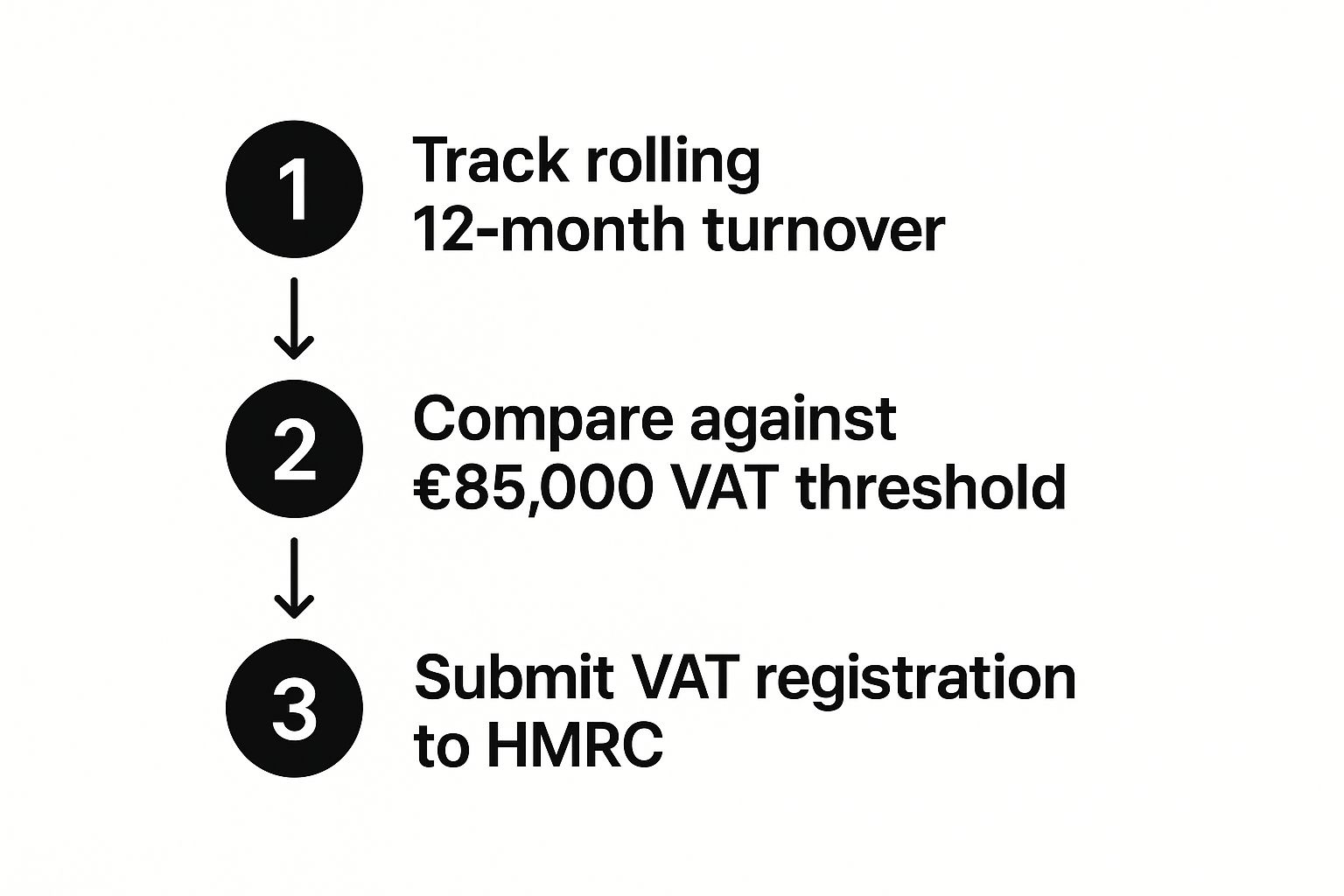
- Your turnover has already exceeded £90,000 in the last 12 months, or
- You expect it to exceed £90,000 in the next 30 days.
Deadlines:
- If you have already crossed the threshold: Register within 30 days of the end of the month it happened.
- If future exceedance is certain: Register by the end of the 30-day period.
Effective date examples:
- Exceed on 15 July → Register by 30 August → VAT starts 1 September
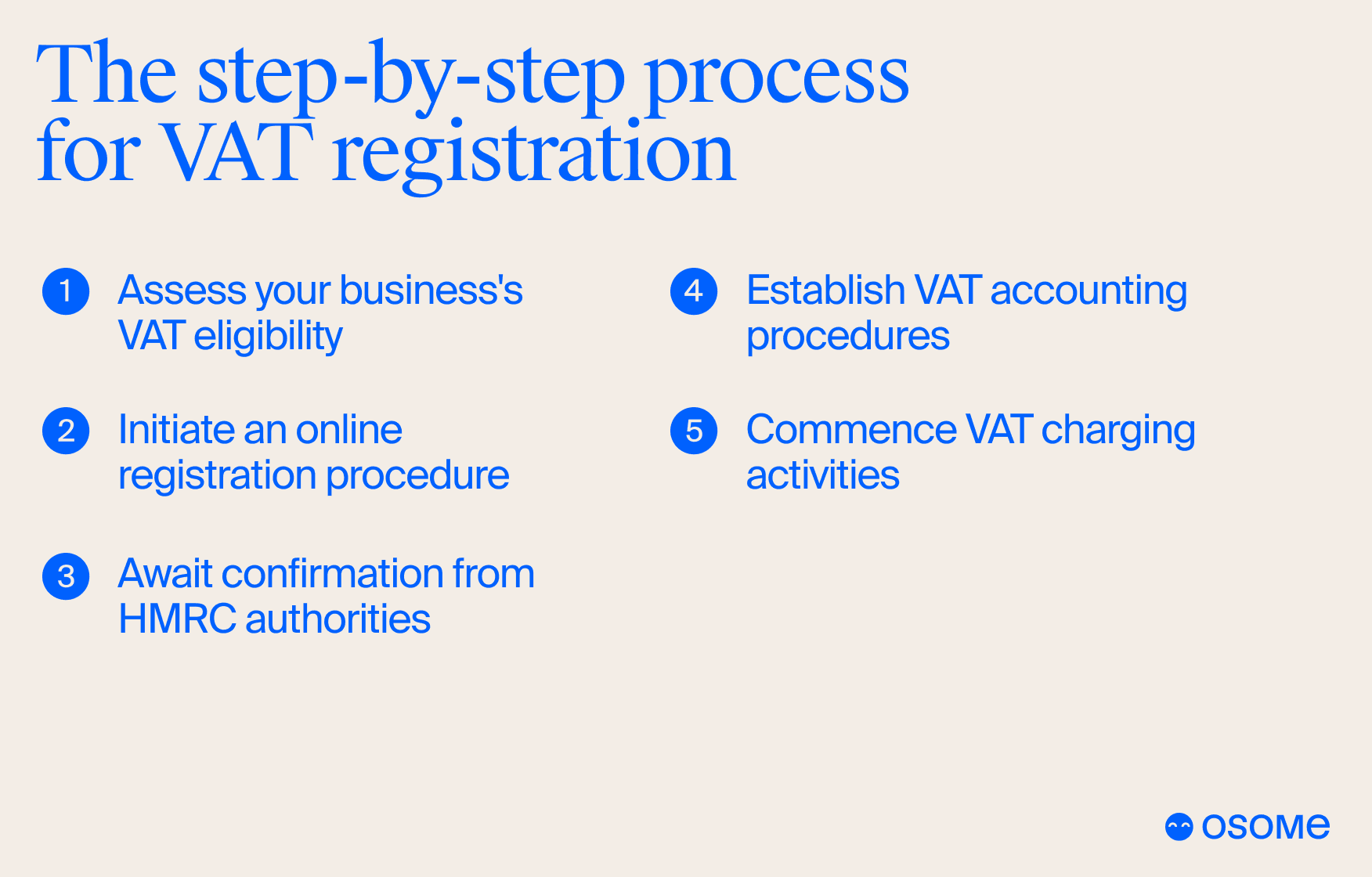
Register online via the HMRC portal (fastest) or use form VAT1 by post. You receive a VAT number and must start charging VAT from the effective date.
Late registration triggers backdated VAT payments plus penalties (based on the VAT due and how late you are).
Voluntary VAT Registration – Should You Do It?
Even if below £90,000, you can register voluntarily. Benefits include:
- Reclaim VAT on big purchases (vehicles, equipment, website costs)
- Look more professional to larger clients who prefer VAT-registered suppliers
- Join the Flat Rate Scheme for simpler accounting
Downsides:
- Extra admin and quarterly returns
- Must charge VAT on sales (may make you less competitive for private customers)
Many growing businesses register voluntarily early to reclaim input VAT on expansion costs.
How to Monitor Your VAT Threshold 2026 Turnover
Track taxable turnover monthly on a rolling 12-month basis. Simple spreadsheet method:
- Column A: Month
- Column B: Taxable sales that month
- Formula: Sum of last 12 months
Use accounting software (Xero, QuickBooks, FreeAgent) for automatic alerts when you approach £90,000.
Review every quarter and forecast the next 30 days. Many businesses are caught out by one-off large contracts.
Deregistration – When and How to Cancel VAT
If your taxable turnover falls below £88,000 for the next 12 months (and you expect it to stay low), you can apply to cancel. HMRC usually approves unless they suspect avoidance.
After cancellation you stop charging VAT but lose the right to reclaim input VAT.
Penalties and Common Mistakes in 2026
- Late registration: Penalty + backdated VAT + interest
- Failing to charge VAT after registration date
- Incorrectly treating zero-rated or exempt sales
- Missing Making Tax Digital requirements (digital links for VAT returns)
HMRC is stricter in 2026 with increased digital compliance checks.
Related VAT Schemes Worth Considering in 2026
- Flat Rate Scheme: Pay a fixed percentage of turnover instead of full VAT calculations (great for low-cost businesses).
- Cash Accounting: Account for VAT only when paid/received.
- Annual Accounting: One annual return plus quarterly payments.
All have their own turnover limits but can simplify life below or near the main threshold.
VAT Threshold Increase To £90,000: Small Businesses Guide
Pro Tips for Managing the VAT Threshold 2026 Successfully
- Set up automated alerts in your accounting software at £80,000 turnover.
- Review contracts before signing large jobs – factor in VAT impact.
- Consider voluntary registration if you buy a lot of equipment this year.
- Use the Flat Rate Scheme if eligible to reduce admin.
- Keep separate records for taxable vs exempt supplies.
- Speak to an accountant before crossing the threshold – planning saves thousands.
- Check Northern Ireland/EU rules if you trade across borders.
- Monitor HMRC news – any future Budget could change the £90,000 figure.
- Test cash-flow impact with a 3-month forecast after registration.
- Register early if you expect rapid growth – avoid the last-minute rush.
Future Outlook for the VAT Threshold
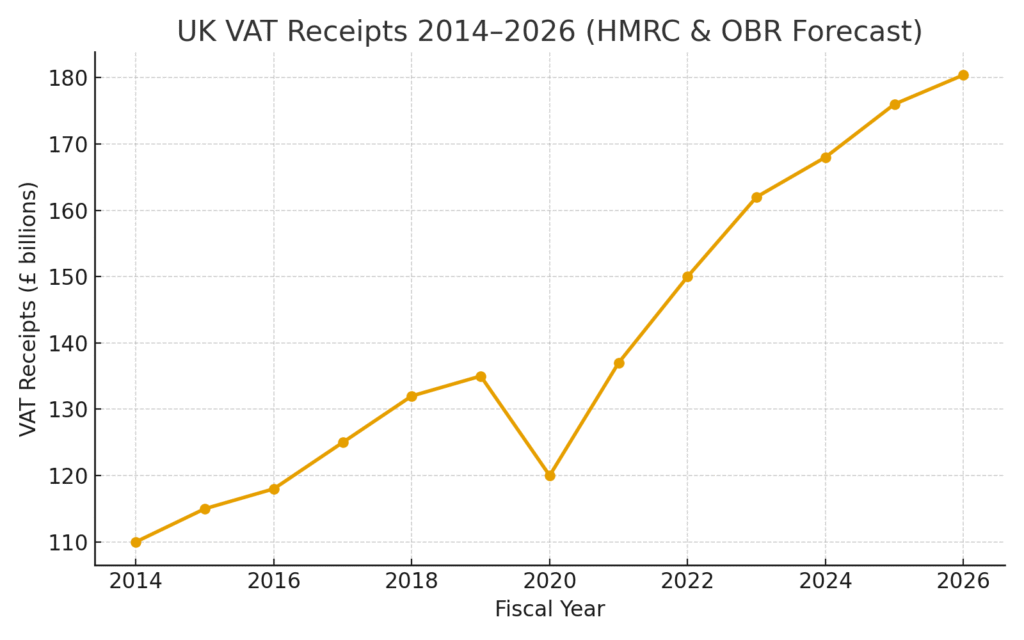
While the threshold remains £90,000 throughout 2026, inflation and business growth mean more firms will hit it naturally. Some commentators expect a review in the next Budget, but as of March 2026 the figure is stable.
Conclusion
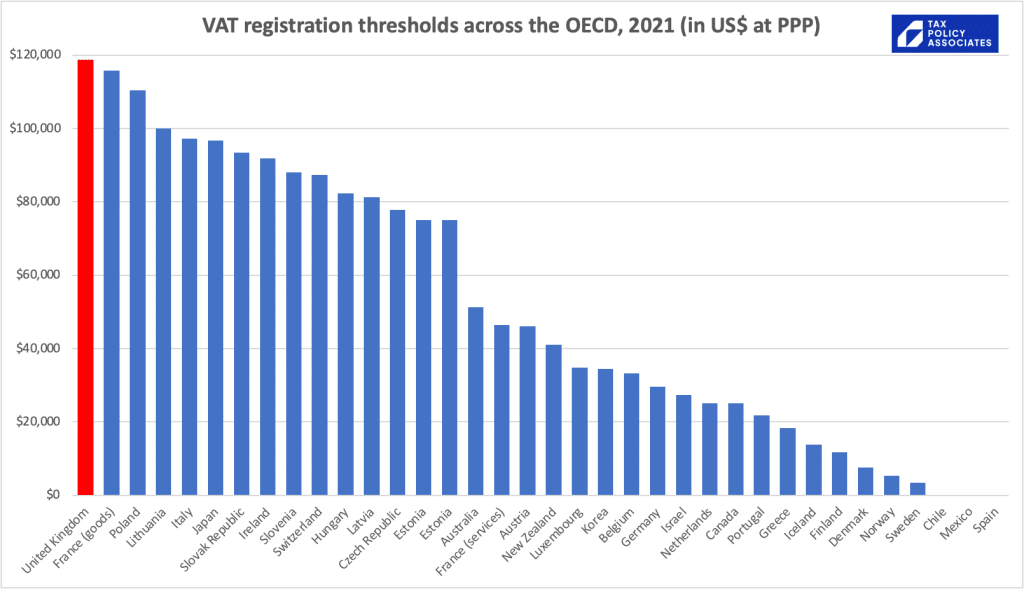
The VAT threshold 2026 at £90,000 gives UK businesses a generous buffer compared to many OECD countries. Staying under it is not always the best long-term strategy – voluntary registration or careful planning can actually boost profits through VAT reclaims.
Monitor your rolling turnover monthly, register on time (or voluntarily when beneficial) and use the right accounting scheme. With the right approach, the VAT threshold becomes a growth milestone rather than a barrier.
Need help calculating your position or deciding on voluntary registration? Contact HMRC or a VAT-specialist accountant today and stay fully compliant in 2026 and beyond.