In the sun-drenched north of Peru, where coastal traditions blend with bold flavours, one sweet stands tall above the rest. The King Kong dulce, a towering layered alfajor from Lambayeque, has captured the hearts and appetites of locals and visitors alike for nearly a century. Whether you’re typing “best King Kong dulce near me” into a search engine while planning a trip to Chiclayo or simply craving an authentic taste of Peruvian heritage, this giant treat delivers more than just indulgence — it tells a story of ingenuity, community, and culinary pride.
Its imposing size and harmonious layers of crisp cookies and rich fillings make it instantly memorable. Far from a fleeting trend, the King Kong dulce remains a staple of northern Peruvian gastronomy, evoking nostalgia for those who grew up with it and curiosity for food enthusiasts discovering it anew.
Early Origins and Background
The King Kong dulce traces its roots to the early 1920s in Lambayeque, a city in Peru’s northern coastal region. Victoria Mejía de García, a resourceful baker, began creating oversized alfajores in her home on San Roque street as a way to provide affordable, nourishing treats for local communities.
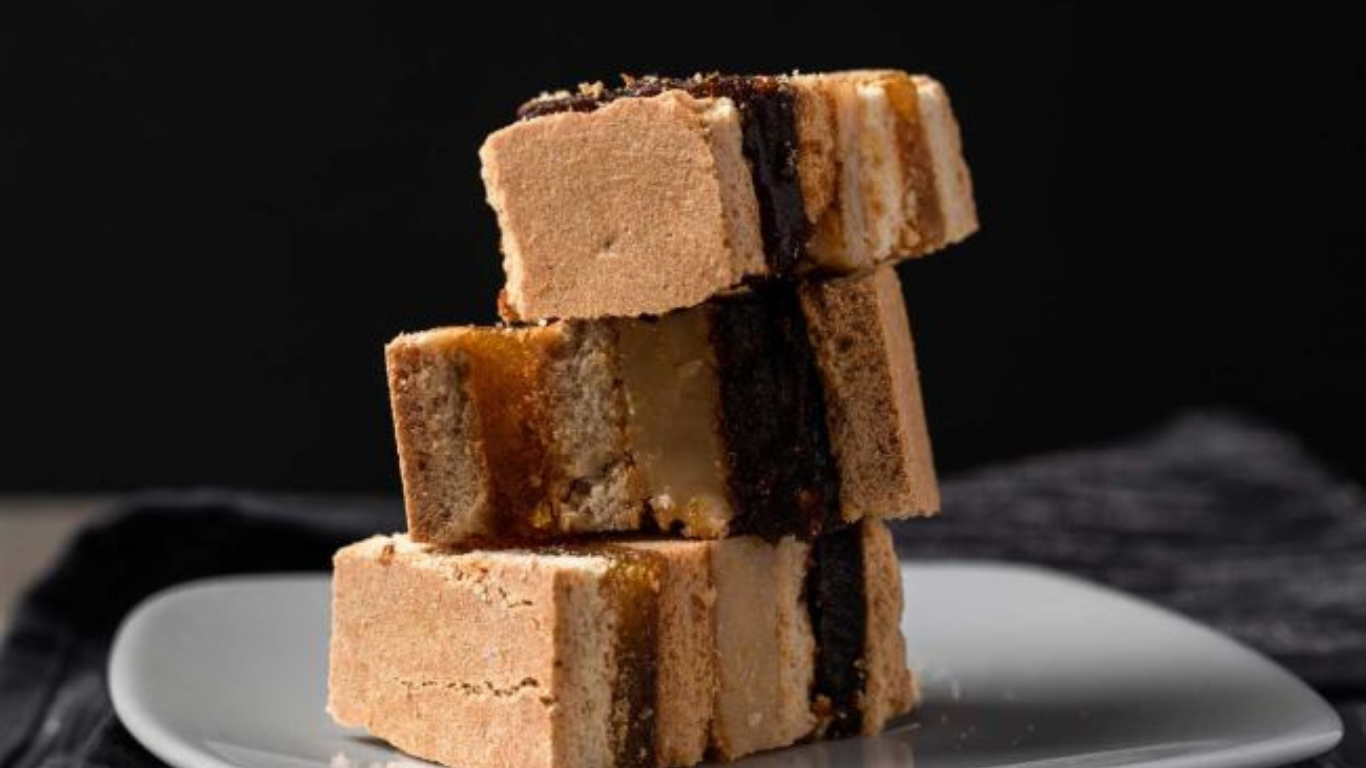
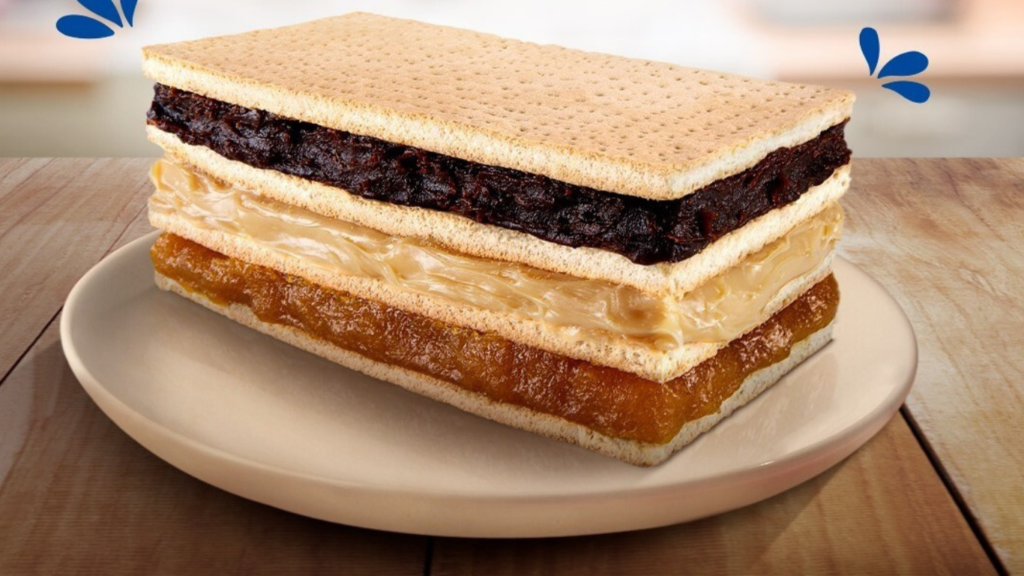
Working with other women, she expanded the traditional alfajor — typically two small cookies sandwiching dulce de leche or fruit preserves — into something far more ambitious. Using a large rectangular mould, she layered multiple sheets of cookie dough made with flour, egg yolks, butter, and milk, alternating them with generous spreads of manjar blanco (Peruvian caramelised milk), pineapple jam, and peanut paste.
This creation was initially known simply as a large Lambayeque alfajor. Its scale and satisfying texture quickly made it a local favourite, sold to feed families and workers. The street name San Roque would later become central to its branding.
The Rise to Fame and Cultural Naming
The treat earned its memorable name in the 1930s. When the Hollywood film King Kong screened in local theatres in 1933, residents drew a playful parallel between the giant ape and the hefty dessert. The comparison stuck, and the “King Kong” moniker was born.
By the 1930s, the family had formalised the recipe and registered “King Kong San Roque” as a brand, tying it to the original location. What started as a home-based effort grew into a recognised business, with the dessert evolving into various sizes — from hefty multi-kilo blocks to more portable individual portions.
Its popularity spread across northern Peru, particularly in Lambayeque and La Libertad departments. Today, multiple producers operate in the region, but San Roque remains one of the most celebrated originals. The dessert’s distinctive brick-like rectangular shape even echoes local building materials, adding another layer of cultural resonance.
Crafting the Perfect King Kong Dulce
At its core, a classic King Kong features several layers of baked cookie alternating with sweet fillings. Traditional versions often include manjar blanco, pineapple dulce, and peanut dulce, creating a delightful balance of creamy, fruity, and nutty notes. Modern variations incorporate other flavours such as strawberry, lucuma, passion fruit, or mixed berries.
The cookies provide a crisp contrast to the soft, moist fillings, while the overall structure holds together impressively for a handheld giant. Larger versions can weigh up to two kilograms and stand around 18 centimetres high, making them ideal for sharing at family gatherings or celebrations.
Producers take pride in traditional methods, cooking manjar blanco in large pots over slow heat to achieve its signature depth. Many factories in the area now offer tours, allowing visitors to witness the process firsthand — from dough preparation to final assembly.
Personal and Cultural Challenges in Preservation
Like many traditional foods, the King Kong dulce has faced challenges in maintaining authenticity amid industrialisation and changing consumer habits. Smaller artisanal makers compete with larger operations, while the push for consistency can sometimes dilute handmade character.
However, the community has shown resilience. In Lambayeque, producers have formed associations such as APROKLAM (Asociación de Productores del King Kong y Dulces Típicos) to protect quality and pursue denomination-of-origin status. This collective effort helps safeguard recipes and promotes the dessert as regional heritage.
Economic ups and downs in Peru have also tested family businesses, yet the enduring appeal of this comforting sweet has helped many weather difficult times.
The Role in Modern Peruvian Life
Today, King Kong dulce features prominently at festivals, holidays, and as a thoughtful souvenir for travellers. It appears in Peruvian supermarkets, export markets (particularly in the United States and Europe), and specialist Peruvian grocery shops worldwide.
Many families maintain the tradition of buying or making it for special occasions. Its portability and shareable nature make it perfect for picnics, road trips along the Pan-American Highway, or gifting to friends and relatives.
Quick Bio
| Detail | Information |
| Full Name | King Kong (King Kong San Roque) |
| Date of Creation | 1920s |
| Place of Origin | Lambayeque, Peru |
| Nationality | Peruvian |
| Category | Traditional dessert / Giant alfajor |
| Years Active | 1920–present |
| Known For | Multi-layered cookies with manjar blanco, pineapple, and peanut fillings |
| Cultural Status | Regional heritage of Lambayeque |
Legacy and Lasting Impact
The King Kong dulce embodies the creativity of everyday Peruvian cooks who transformed simple ingredients into something extraordinary. It highlights the rich culinary heritage of northern Peru, where bold flavours and communal spirit define the table.
Its influence extends beyond dessert menus. The story of Victoria Mejía de García inspires entrepreneurs, particularly women, showing how a home kitchen venture can become a cultural icon. As Peruvian cuisine gains global recognition, the King Kong serves as an accessible ambassador — sweet, generous, and unmistakably authentic.
It also teaches valuable lessons about adaptation: honouring tradition while evolving to meet new tastes and markets. Whether enjoyed in a bustling Chiclayo market or a London Peruvian café, it connects people to a specific time and place.
Conclusion
From its humble beginnings on a Lambayeque street to its status as a beloved national treasure, the King Kong dulce continues to delight with every generous bite. Searching for the “best King Kong dulce near me” often leads not just to a sweet reward, but to an encounter with Peruvian warmth and history.