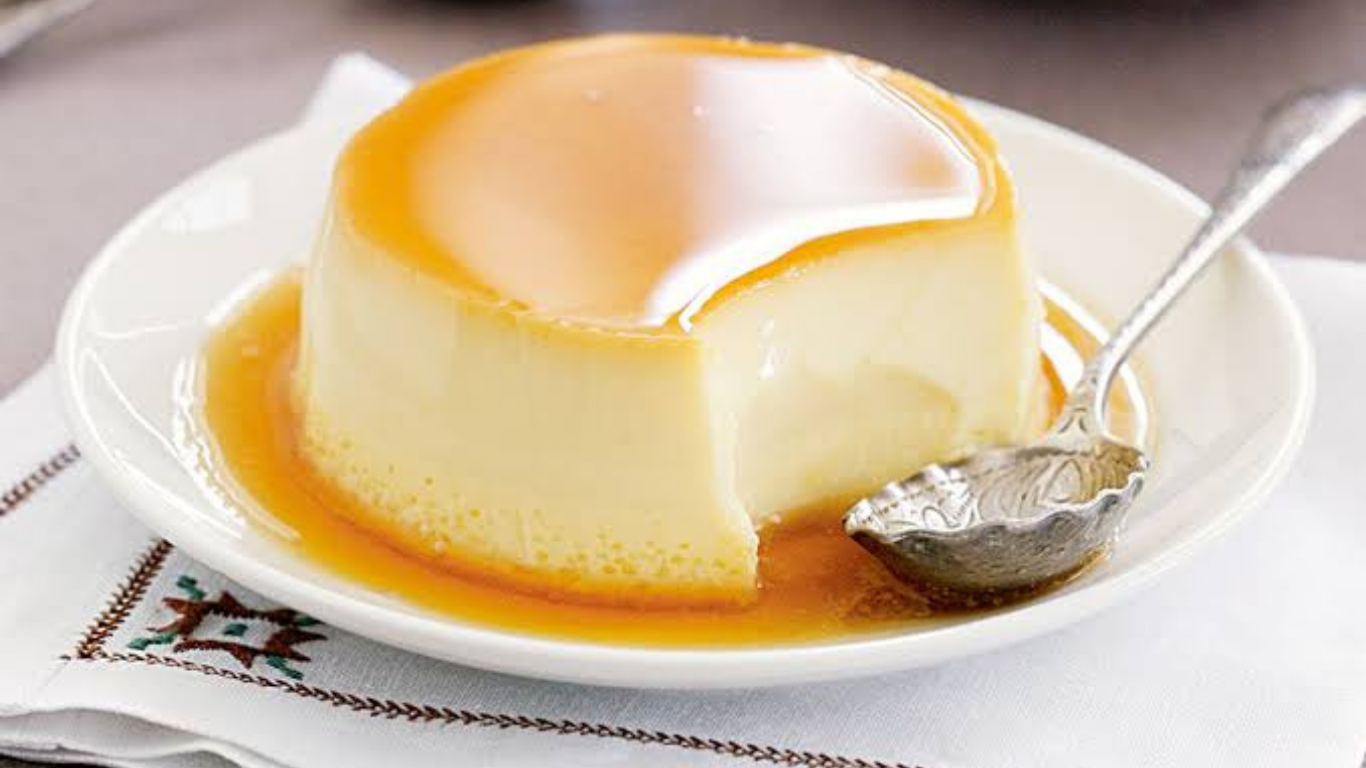
Few desserts capture quiet elegance quite like crème caramel. A smooth, gently set custard crowned with a glossy pool of amber caramel sauce, it arrives at the table looking deceptively simple yet delivering pure satisfaction with every spoonful. Whether served in a neighbourhood bistro, a family kitchen or a smart restaurant, crème caramel has a way of feeling both comforting and refined. Readers keep returning to it because the dish rewards patience and care while remaining wonderfully approachable, offering a balance of creamy custard and bittersweet caramel that rarely goes out of fashion.
Its appeal lies in restraint. Made from everyday ingredients – milk, eggs, sugar and vanilla – crème caramel transforms them through careful technique into something greater than the sum of its parts. In an age of elaborate plated desserts, its quiet confidence continues to win admirers who value flavour and texture over showiness.
Early Life and Background
The story of crème caramel reaches back further than its modern French name might suggest. Ancient Romans already understood the binding power of eggs mixed with milk or cream. Recipes such as tiropatinam, described by the Roman cook Apicius, involved baking eggs with milk and honey to create early sweet custards. These were simple, nourishing preparations rather than the inverted caramel version known today.
Sugar’s arrival in Europe via Arab traders transformed possibilities. Medieval French cooks developed flaons or flanciaux, egg-and-milk mixtures sometimes enriched with cream and sweetened. By the 13th and 15th centuries, street vendors in Paris sold similar treats, and manuscripts record sweetened custards appearing on elaborate menus. Spanish cooks, influenced by the same sugar trade and Moorish techniques, refined delicate egg custards that later evolved into crema Catalana, usually finished with a hard caramelised top and flavoured with citrus and cinnamon.
The precise modern form of crème caramel – soft caramel lining a mould, filled with custard, cooked gently in a water bath (bain-marie) and turned out so the sauce flows over the top – appears later. Food historians note its first clear documentation in Jean Baptiste Reboul’s La cuisinière provençale, published in 1897. Earlier 18th-century French cooks had experimented with related techniques, but the classic inverted presentation with liquid caramel became established around the turn of the 20th century. Claims of exclusive French, Spanish or English invention exist, yet the dish is best understood as a European evolution that drew on shared culinary knowledge.
Career and Rise to Fame
Crème caramel rose steadily through the 20th century to become a restaurant staple across Europe. Its practical advantages helped: it can be prepared in bulk, baked ahead and held chilled until needed, making it ideal for busy kitchens. Food historian Alan Davidson observed that by the later decades of the century the dessert occupied a notably large share of European restaurant menus precisely because of this convenience.
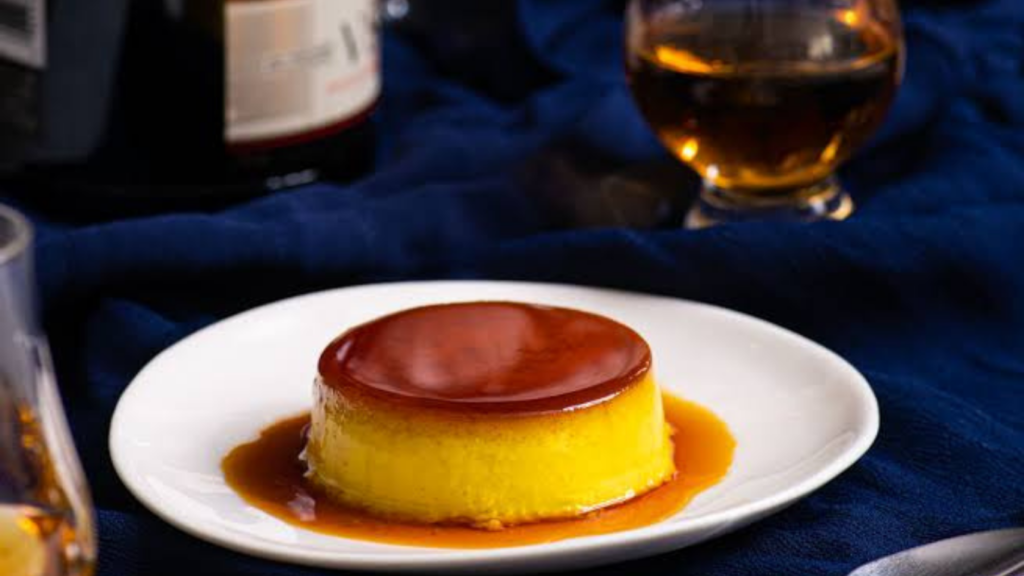
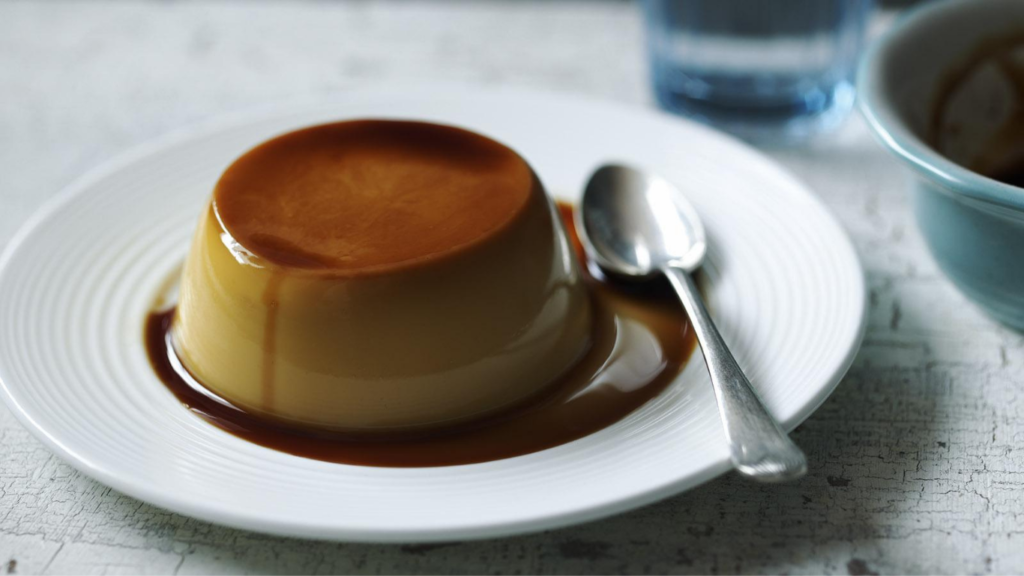
The classic French version relies on whole milk (sometimes with a little cream), whole eggs plus yolks for silkiness, sugar and vanilla. The caramel is cooked separately to a deep amber, poured into ramekins or a larger mould, then topped with the strained custard mixture. Gentle baking in a water bath sets the custard without curdling. After thorough chilling, the dessert is inverted onto a plate so the caramel becomes a glistening sauce.
Its reputation rests on texture and balance. Properly made, the custard is firm enough to hold its shape yet soft and creamy on the tongue, while the caramel contributes both sweetness and a pleasant edge of bitterness. It became associated with reliable French home and restaurant cooking rather than haute cuisine fireworks, earning quiet respect for consistency and elegance. Collaborations were less about famous chefs than about generations of cooks refining the same simple formula across households and professional kitchens.
Personal Challenges or Turning Points
Like many classic recipes, crème caramel has faced periods of overexposure and subsequent neglect. In the late 20th century its ubiquity in restaurants led some diners to regard it as old-fashioned or institutional. The rise of more dramatic desserts, particularly crème brûlée with its theatrical hard caramel crust, temporarily pushed the softer, inverted version into the background for many diners.
Technique presents its own challenges. Caramel can tip from perfect amber into burnt bitterness in seconds. Custard can turn rubbery if overcooked or watery if underbaked. Achieving the ideal jiggle – set yet yielding – requires attention to temperature and timing. Variations using condensed or evaporated milk, common in Latin American and Asian versions known as flan or leche flan, produce denser, sweeter results that some traditionalists consider a different dessert altogether. These adaptations reflect practical ingredient availability rather than failure, yet they highlight how the original French style depends on fresh milk and precise cooking.
Resilience has come through rediscovery. Home cooks and chefs returning to classics have emphasised the dish’s purity and make-ahead practicality. When prepared with care, crème caramel still delivers the gentle pleasure that first made it popular.
Personal Life
Crème caramel has no private biography in the human sense, yet its cultural life is rich and widespread. In France it remains a classic of home cooking and brasserie menus. In Spain and Latin America the closely related flan often incorporates condensed milk for richness and is served at celebrations. Mexican variations sometimes add cream cheese for extra creaminess, while Filipino leche flan is steamed rather than baked and prized for its dense texture. Versions appear in India, Malaysia and former Portuguese colonies, adapted to local tastes and ingredients.
It is generally gluten-free when made traditionally, broadening its appeal. Public statements about the dish tend to come from cooks and writers who praise its simplicity and the satisfaction of a well-turned-out result. Family traditions often centre on Sunday lunches or festive tables where the dessert provides a gentle, shared conclusion to the meal.
Later Career and Current Activities
Today crème caramel enjoys renewed appreciation among those seeking reliable classics. It appears on modern restaurant menus as a refined comfort option and features in home-cooking revival pieces that stress technique over novelty. Chefs experiment lightly with flavourings – citrus zest, coffee or spices – while respecting the core method. Ready-made versions and café offerings keep it accessible, while serious cooks continue to perfect the homemade form.
Its practicality supports continued relevance: advance preparation frees the cook, and the finished dessert travels well to gatherings. Advocacy for traditional technique appears in cookbooks and online tutorials that caution against rushing the caramel or overheating the custard. Business ventures range from specialist dessert shops to supermarket pots, though the finest examples still come from careful hands.
Quick Bio
| Detail | Information |
| Full Name | Crème caramel (also flan, caramel custard, caramel pudding) |
| Date of Birth | Modern form documented 1897; ancient roots earlier |
| Place of Birth | France (with broader European and Mediterranean influences) |
| Nationality | French culinary tradition, globally adopted |
| Profession | Custard dessert |
| Years Active | Centuries in evolving forms; modern popularity from late 19th century |
| Known For | Silky inverted custard with liquid caramel sauce |
| Estimated Net Worth | Not applicable |
Legacy and Lasting Impact
Crème caramel endures because it demonstrates how modest ingredients, handled with respect, can produce lasting pleasure. It has influenced countless custard-based desserts and remains a benchmark for texture and balance in pastry work. Public perception tends to associate it with quiet reliability rather than trendiness – a dish that rewards skill without demanding spectacle.
Its lesson is one of patience and proportion. The difference between a good and a great crème caramel often lies in small details: the precise colour of the caramel, the gentle set of the custard, the thorough chilling that allows flavours to settle. In a culinary landscape that sometimes prioritises novelty, the dessert quietly affirms the value of classics done well.
Conclusion
Crème caramel’s journey from ancient egg-and-milk mixtures to a globally recognised favourite shows how recipes travel, adapt and persist. It continues to offer diners a moment of pure, uncomplicated enjoyment – cool, creamy and kissed with caramel.