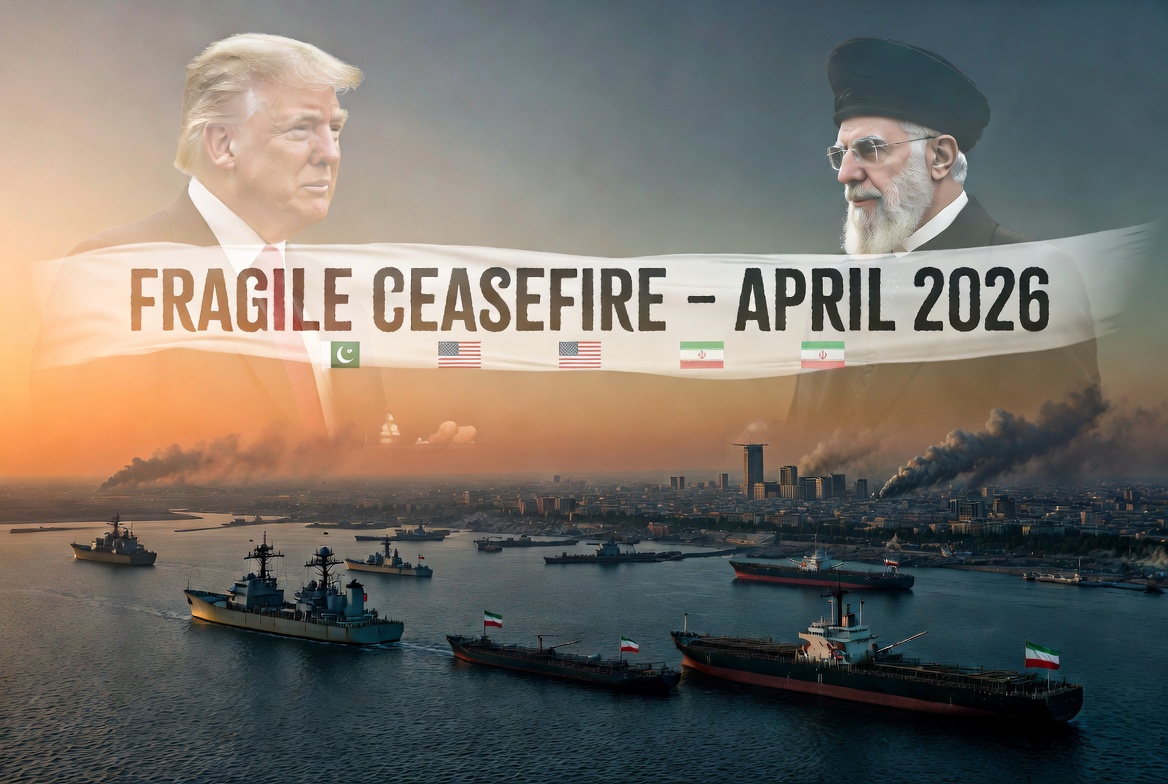
coordinated airstrikes on Iranian targets, has reshaped the Middle East and sent shockwaves through the global economy. What began as a targeted operation to dismantle Iran’s nuclear program and ballistic missile capabilities has evolved into a broader conflict involving retaliatory strikes, civilian casualties, and disruption of critical oil routes. A temporary ceasefire brokered on April 7–8 holds tenuously, but fresh tensions in the Strait of Hormuz and failed peace talks have kept the world on edge.
As of April 18, 2026, the situation remains volatile. The United States maintains a naval blockade on Iranian ports, Iran’s new Supreme Leader Mojtaba Khamenei has warned of “new bitter defeats” for US and Israeli forces, and merchant vessels have come under fire in the Strait of Hormuz. Global oil prices remain elevated, supply chains are strained, and diplomatic efforts in Islamabad have stalled. This article examines the war’s origins, key events, humanitarian toll, economic fallout, and prospects for resolution from an international standpoint.
Oil Prices Spike on Hormuz Insurance Fears |
Strategic map of global oil chokepoints, highlighting the Strait of Hormuz – the world’s most critical energy artery, responsible for roughly 20% of global oil trade.
Background and Triggers
Tensions between Iran and the United States have simmered for decades over Tehran’s nuclear ambitions, regional proxy conflicts, and US sanctions. In late 2025, negotiations aimed at reviving a nuclear deal collapsed. The Trump administration issued ultimatums, while Israel viewed Iran’s advancing missile and nuclear programs as an existential threat. On February 28, 2026, the US and Israel executed Operation Epic Fury – nearly 900 strikes in 12 hours targeting Iranian military sites, air defenses, nuclear facilities, and leadership compounds.
The operation killed Supreme Leader Ali Khamenei and several top officials. Iran denounced the strikes as “unprovoked aggression” and a violation of the UN Charter, launching hundreds of missiles and thousands of drones at Israeli cities, US bases in the Gulf, and oil infrastructure across the region. The conflict rapidly widened, drawing in Hezbollah in Lebanon and triggering attacks on Gulf Arab states hosting US forces.
Course of the War and Major Developments
The initial US-Israeli barrage crippled much of Iran’s air defense and missile infrastructure. Iran retaliated by attempting to close the Strait of Hormuz, attacking tankers, and striking regional targets. By early March, Tehran had become a virtual ghost town as residents sheltered from further strikes. A girls’ school near a naval base in Minab was hit, killing around 170 civilians – an incident widely condemned by UN human rights officials as “reckless.”
Lebanon saw intense fighting between Israel and Hezbollah, displacing over one-sixth of the country’s population. Total casualties by mid-April exceeded 5,700–10,000 killed (military and civilian) across Iran, Lebanon, Israel, the US, and Gulf states, with tens of thousands injured. Iran retained a significant portion of its missile arsenal despite heavy losses.

Aftermath of US-Israeli attacks on Tehran | US-Israel war on Iran News | Al Jazeera
Devastation in Tehran following US-Israeli airstrikes – civilian areas bore the brunt of the conflict.

US claims destroyed IRGC command centre, more Israel attacks on Tehran
Emergency responders amid rubble in an Iranian city after sustained attacks.
Humanitarian and Civilian Impact
The war has exacted a heavy toll on civilians. Millions have been displaced, particularly in Lebanon and parts of Iran. UN Human Rights Chief Volker Türk described the conflict as disproportionately harming non-combatants. Infrastructure damage in Iran – including power plants, bridges, and ports – will require billions in reconstruction at a time when the economy was already battered by years of sanctions.
Economic and Global Repercussions
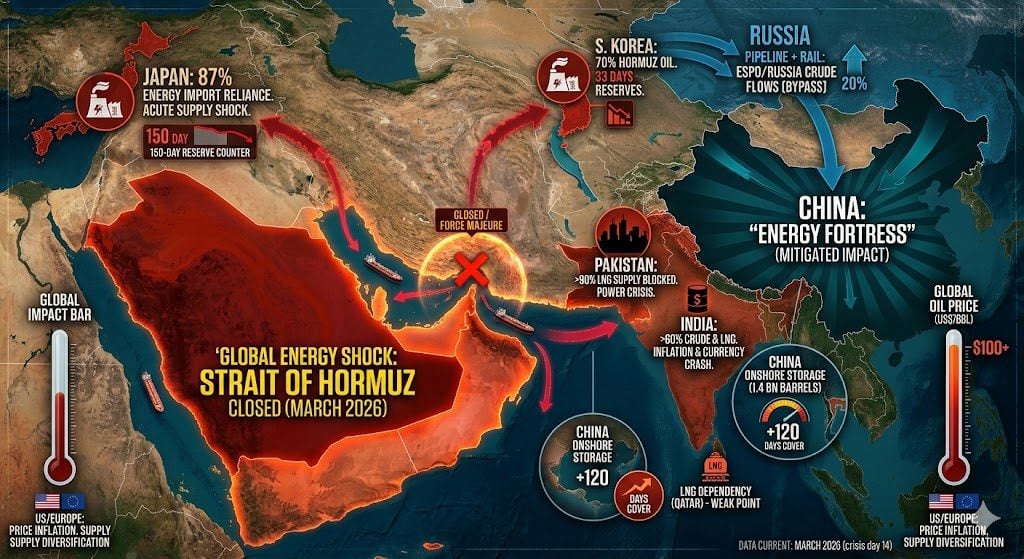
The Strait of Hormuz crisis triggered the most severe energy shock in decades. Temporary closures and attacks on shipping sent oil prices soaring above $100 per barrel at peaks, causing fuel shortages in Asia and Europe. Global supply chains for energy, shipping, and commodities were disrupted. The ripple effects included higher inflation, stock market volatility, and concerns over a potential recession in import-dependent economies.
Oil Prices Spike on Hormuz Insurance Fears |
Global energy shock visualization showing the impact of disruptions in the Strait of Hormuz on major economies.
Current Situation – April 18, 2026
A two-week ceasefire agreed on April 7–8, which included Israel and Hezbollah, remains in effect but is under severe strain. The US-Iran talks in Islamabad collapsed over disagreements on sanctions relief, nuclear restrictions, and full reopening of the Strait of Hormuz. President Trump has since imposed a naval blockade on Iranian ports (effective April 13) and stated that the US will resume strikes if no deal is reached soon. Iran has partially reopened the strait for commercial traffic but reported gunboat incidents targeting tankers, citing US “breaches of trust.”
New Supreme Leader Mojtaba Khamenei, who assumed power after his father’s death, has taken a hardline stance, directing Iran’s navy to prepare for further confrontation.
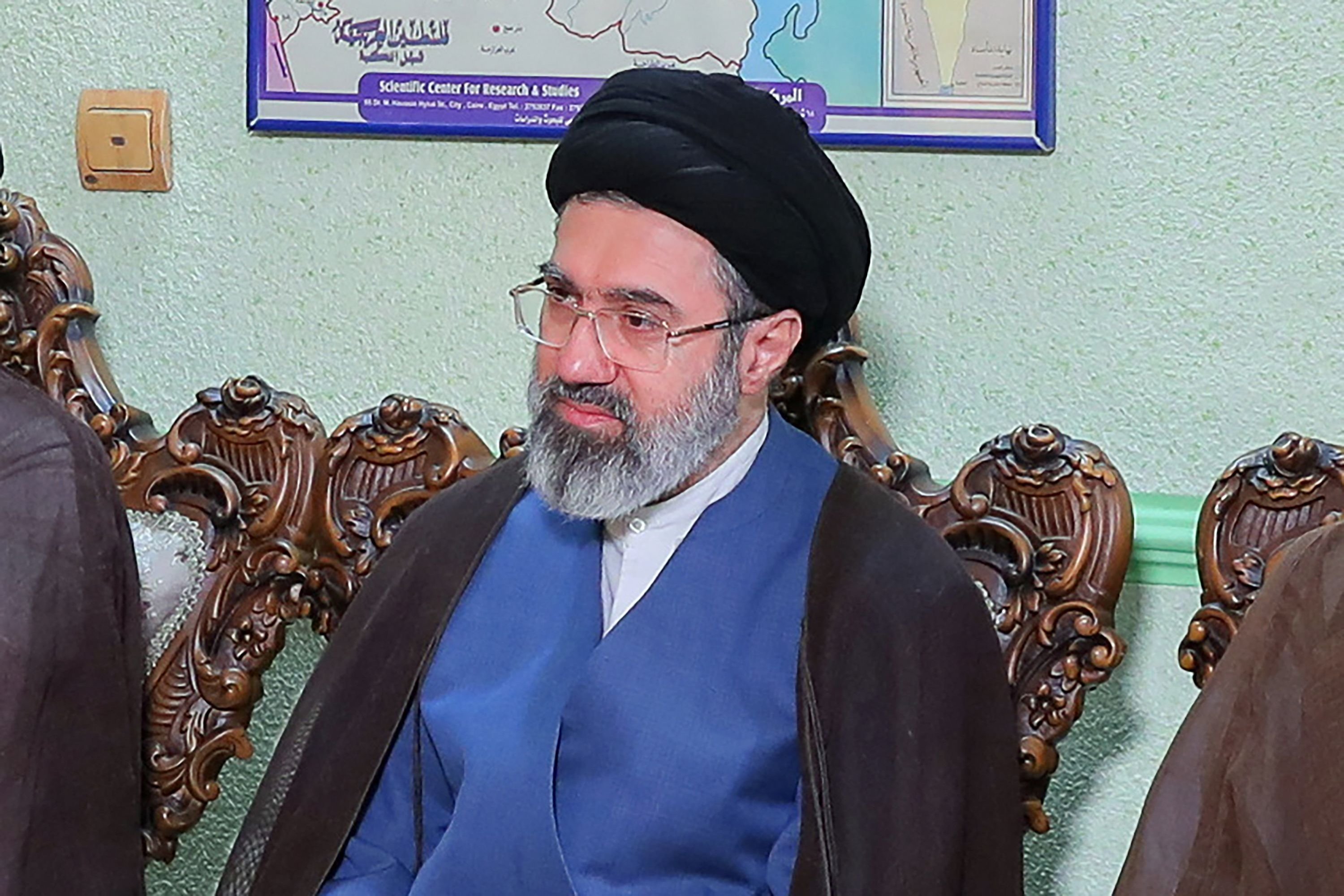
Mojtaba Khamenei replaces slain father as Iran’s supreme leader | Daily Sabah
Mojtaba Khamenei, Iran’s new Supreme Leader, has warned of “new bitter defeats” for US and Israeli forces.
President Trump, meanwhile, has described the war as nearing its end while maintaining pressure through the blockade.

Trump says Iran war projected to last 4 to 5 weeks, could go ‘far longer’
US President Donald Trump addressing the nation on Iran policy.
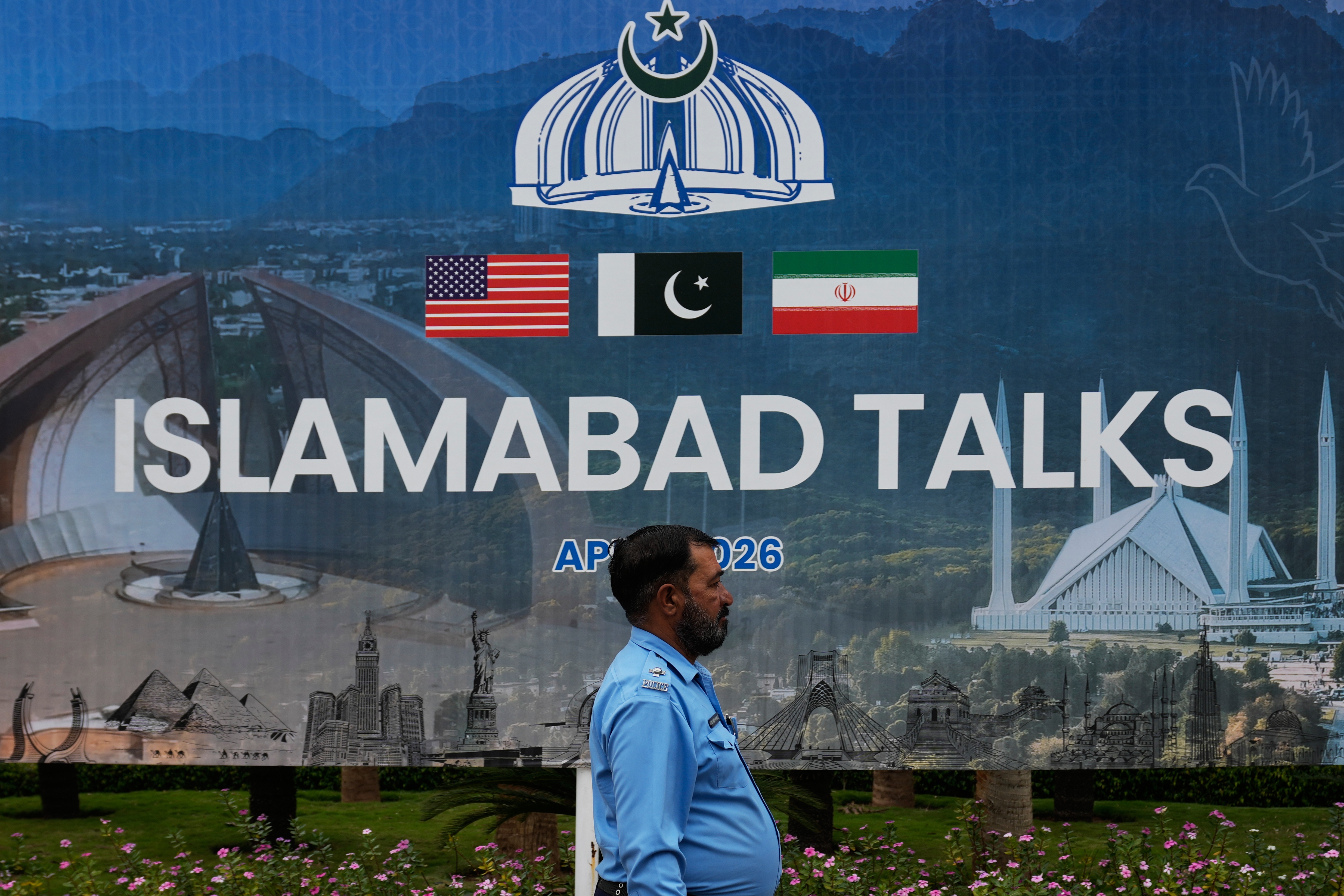
U.S.-Iran peace talks underway in Islamabad after weeks of frantic diplomacy – OPB
Banner from the Islamabad Talks – diplomatic efforts to broker peace between the US and Iran.
Iranian officials insist any agreement must respect their sovereignty and lift sanctions, while the US demands verifiable limits on Iran’s nuclear and missile programs plus guaranteed safe passage through the strait.
Outlook and International Implications
The ceasefire’s fragility raises fears of renewed fighting. China and Russia have criticized the US blockade, while European nations urge de-escalation. Pakistan continues to facilitate talks, but a breakthrough appears distant without major concessions. A return to full-scale war could trigger even higher oil prices, refugee crises, and broader regional instability involving the Axis of Resistance.
From a global perspective, the 2026 Iran war underscores the risks of military solutions to nuclear proliferation and the vulnerability of energy chokepoints. It has already altered power balances in the Middle East, weakened Iran’s conventional forces, and highlighted the limits of US leverage in prolonged conflicts. For now, the world watches anxiously: diplomacy offers the only path to lasting stability, but trust remains in short supply on all sides.
The coming days will prove decisive. With the ceasefire window closing and blockade enforcement continuing, the international community – from the UN to major energy consumers – is calling for restraint and renewed negotiations. The stakes extend far beyond the Gulf: global security, economic stability, and the future of nuclear diplomacy hang in the balance.