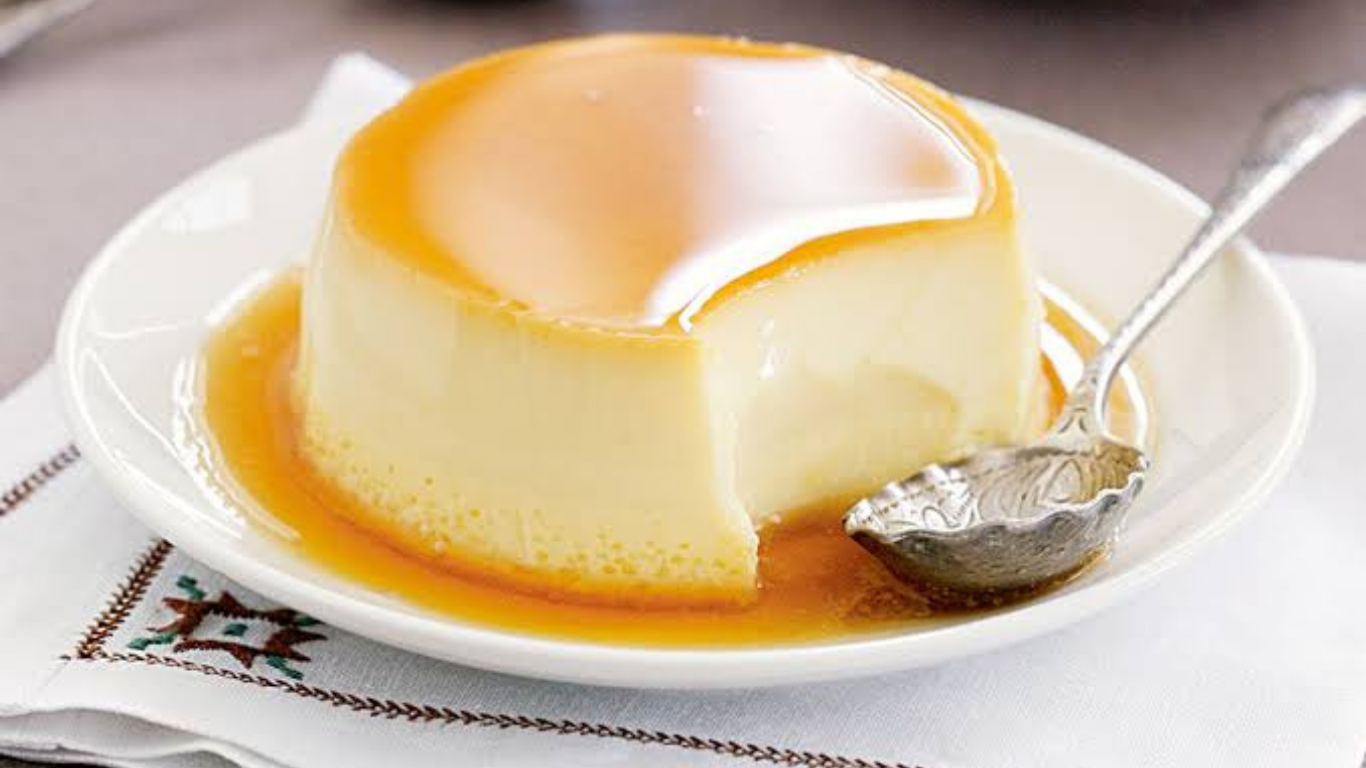
In the ever-evolving landscape of English slang, few words capture a sense of immediate pleasure quite like “delish.” Short, punchy, and undeniably appealing, delish has slipped into everyday vocabulary as a go-to expression for anything that delights the senses. Whether describing a perfectly baked scone, a captivating film, or even an attractive person, this informal term conveys enthusiasm with a touch of playfulness.
Its charm lies in its simplicity. In a world of lengthy reviews and polished descriptions, delish cuts through with effortless warmth. Readers and food enthusiasts alike often search for its meaning because it pops up across social media, recipe sites, and casual chats. Understanding delish opens a small window into how language adapts to celebrate life’s little (and big) pleasures.
The Origins of Delish
The word delish emerged as a clipped and altered form of “delicious” in the early 20th century. Reliable sources trace its first known use to around 1915, appearing in American publications such as the New York Tribune. By the 1920s, it had gained traction in informal speech, reflecting a broader trend of shortening words for speed and affection in spoken English.
Linguistically, it follows a common pattern: “delicious” loses its ending and gains the casual suffix-like feel of “-ish,” which softens and approximates. Similar shortenings include “fab” for fabulous or “adorbs” for adorable. While it started primarily in American English, delish has since crossed the Atlantic and become familiar in UK conversations, especially among younger speakers and in foodie circles.

Delish in Everyday Language and Culture
Today, delish most commonly describes food that tastes exceptionally good. “That roast dinner was absolutely delish” feels natural and warm in British kitchens or at Sunday lunches. Yet its usage extends beyond the plate. People call a compelling book, a stylish outfit, or a memorable evening delish when they want to express genuine enjoyment without formality.
Popular culture has helped spread the term. Recipe websites like Delish.com have embraced it in branding, offering thousands of “delish” meal ideas that reach millions. In films, television, and social media, characters and influencers use it to convey excitement. Its appearance in Urban Dictionary and slang glossaries highlights how it resonates particularly with food enthusiasts, hipsters, and younger demographics.
In UK English, delish sits comfortably alongside home-grown expressions like “scrummy” or “lush.” It adds a light, cosmopolitan flavour to conversations without feeling out of place at a local café or dinner party.
Why Delish Resonates So Strongly
Part of the appeal is psychological. Short, positive slang words trigger quicker emotional connections than their formal counterparts. Saying something is delish feels more intimate and immediate than declaring it “delicious.” It invites agreement and shared pleasure: one person’s delish recommendation often sparks recommendations in return.
Food media and social platforms have amplified this. Instagram reels, TikTok cooking videos, and restaurant reviews frequently feature the word, making it searchable and relatable. For many, encountering delish in a caption or comment reinforces a sense of community around enjoying life’s sensory experiences.
Personal and Social Contexts
While delish remains largely light-hearted, it occasionally appears in broader discussions of taste and aesthetics. Someone might describe a new album or a beautifully designed space as delish to signal refined yet approachable appreciation. Public figures and celebrities have used similar casual language in interviews, helping keep slang vibrant and evolving.
There are no major controversies or verified challenges tied specifically to the word itself. Its journey reflects the organic, bottom-up way language changes—driven by speakers rather than dictionaries or institutions.

Quick Facts About “Delish”
| Detail | Information |
| Full Form | Shortened from “delicious” |
| First Known Use | 1915 |
| Primary Meaning | Delicious; highly enjoyable |
| Common Contexts | Food, experiences, people, media |
| Language Style | Informal slang |
| Popularity | Widespread in English-speaking countries, especially online and in food culture |
| Related Terms | Scrummy, yum, delectable, lush |
Lasting Impact on Language
Delish exemplifies how English remains a living language, constantly refreshed by creative shortening and cultural exchange. It influences how we communicate pleasure and has found a permanent spot in modern vocabularies alongside other beloved slang.
Its enduring presence reminds us that words do not need complexity to be effective. Sometimes the simplest expressions capture joy most vividly. In cookbooks, reviews, and friendly banter, delish continues to bring warmth and accessibility to descriptions of what we love.
Conclusion
From its early 20th-century roots to its current role in digital conversations and recipe recommendations, delish has proven itself a delightful addition to the English lexicon. It celebrates flavour, beauty, and enjoyment in a single, friendly syllable.