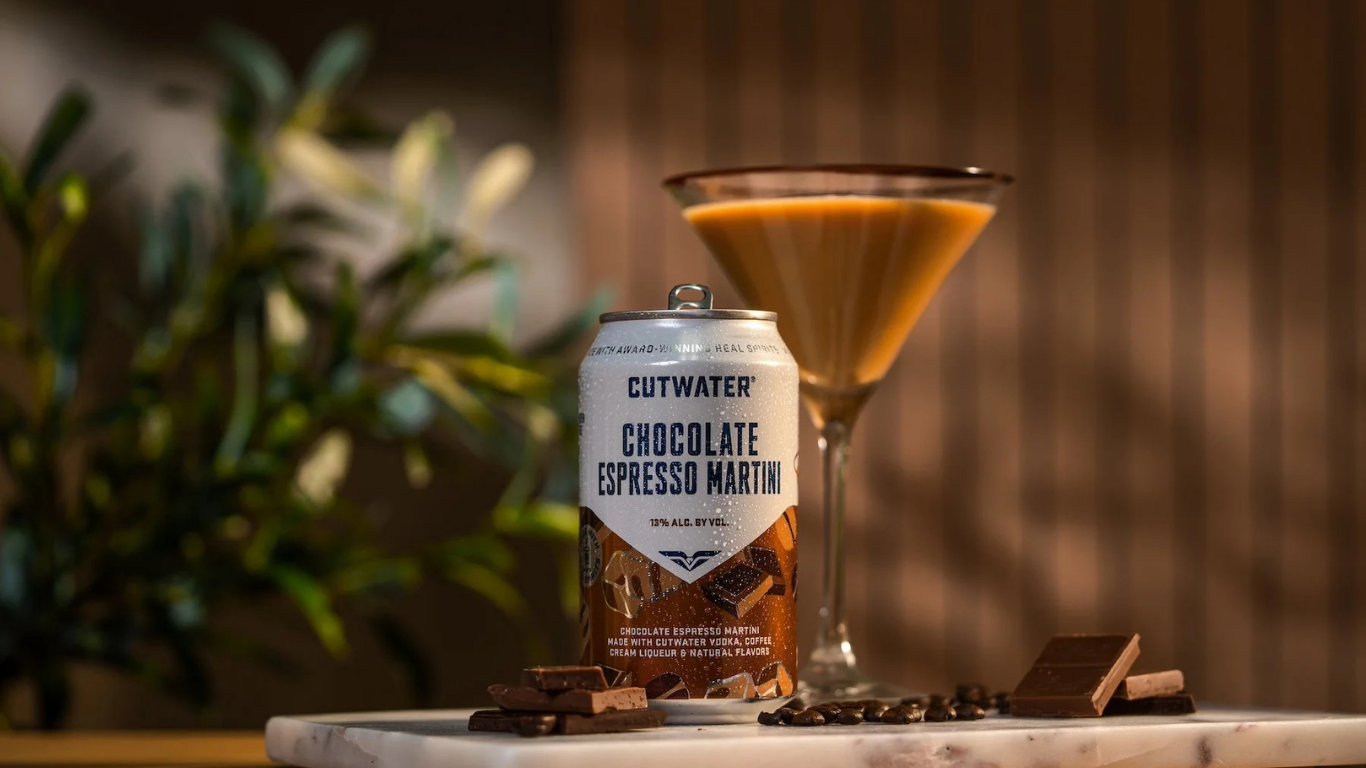
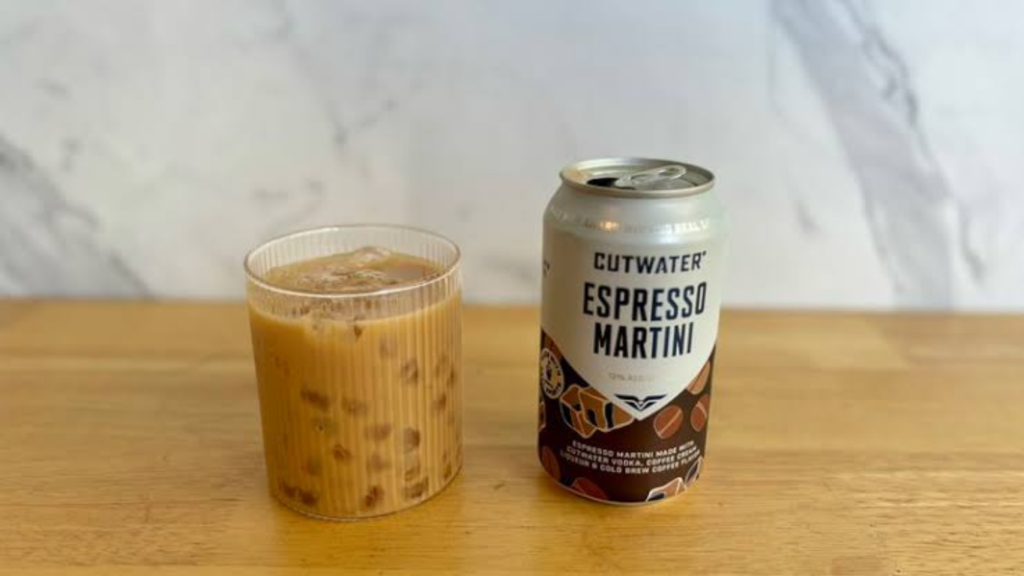
Cutwater Spirits has built a strong following with its range of ready-to-drink canned cocktails, and the Espresso Martini is one of the most frequently discussed. Shoppers often reach for it expecting the familiar coffee-and-vodka character of the classic cocktail, which naturally raises a practical question: does Cutwater Espresso Martini have caffeine?
The short answer is yes, but only in a very small amount. Reliable reports and brand information point to roughly 4 mg of naturally occurring caffeine per 12 oz (355 ml) can. That is a fraction of what you would find in a single shot of real espresso or a standard cup of coffee. The low level stems from the product’s formulation, which relies on coffee cream liqueur and “cold brew coffee flavour” rather than a substantial volume of actual brewed coffee or espresso.
Understanding the precise caffeine content helps people decide whether the drink fits their evening plans, especially if they are sensitive to stimulants or prefer to avoid anything that might interfere with sleep. The rest of this article examines the ingredients, nutrition profile, comparisons with traditional espresso martinis, and what independent sources have confirmed.
What Exactly Is in Cutwater Espresso Martini?
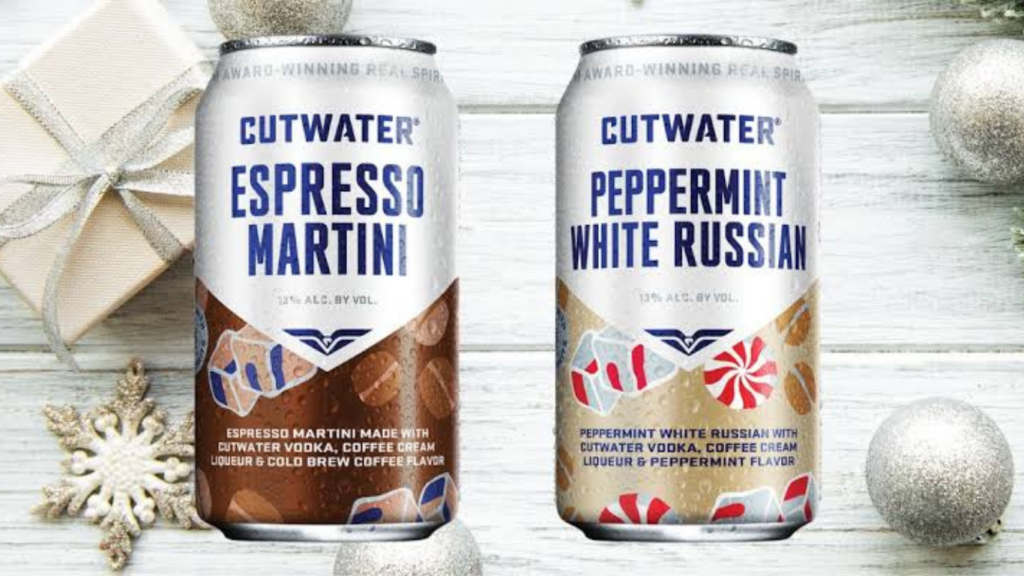
Cutwater lists three main components on its official product page: award-winning vodka (distilled from 100 % corn), coffee cream liqueur, and cold brew coffee flavour. The can is gluten-free, contains milk, and carries an alcohol by volume of 13 %. Each 12 oz serving delivers 540 calories, 38 g of carbohydrates, 14 g of fat, 3 g of protein and 32 g of sugar.
The phrase “cold brew coffee flavour” is important. It signals that the coffee character comes primarily from flavouring rather than a significant quantity of real cold-brew concentrate. Coffee cream liqueur contributes some coffee-derived notes and a modest amount of naturally occurring caffeine, but the overall coffee solids remain limited. This approach keeps the drink creamy and dessert-like while keeping the stimulant level very low.
Does Cutwater Espresso Martini Have Caffeine? The Confirmed Details
Multiple independent sources converge on the same figure. A detailed review published by Chowhound in October 2025 stated that Cutwater’s Espresso Martini contains just 4 milligrams of caffeine. Reddit users who contacted the brand via Instagram comments reported the same number, describing it as “4 mg naturally occurring caffeine.” One commenter noted that the amount is “nothing basically,” which aligns with everyday experience: most people would not notice any stimulatory effect from such a small dose.
Cutwater itself does not print a caffeine value on the can or the official product page. In the United States, labelling rules generally require disclosure only when caffeine is added or when levels are high enough to warrant a warning. Because the caffeine here is naturally present in very small quantities from the coffee-related ingredients, the absence of a declared figure is consistent with the reported 4 mg amount.
By contrast, some third-party websites have published higher estimates (sometimes 50–100 mg). Those figures appear to rest on assumptions about “real coffee” content that do not match the official ingredient list or the lower numbers confirmed by reviewers and brand communications. When the official formulation and multiple consistent reports all point to 4 mg, that is the most reliable public information available.
How Does 4 mg Compare with Everyday Drinks?
A typical single shot of espresso contains around 63 mg of caffeine. An average 8 oz cup of brewed coffee sits between 80 mg and 100 mg. Even a can of cola usually delivers 30–40 mg. Against those benchmarks, 4 mg is negligible—roughly the amount found in a square or two of dark chocolate or a weak cup of decaffeinated coffee.
This low level means the drink is unlikely to keep most people awake if enjoyed later in the evening. It also explains why some reviewers who love a strong coffee kick find the flavour milder than a bar-made espresso martini. The creaminess from the liqueur and the sweetness (32 g of sugar) dominate the profile, while the coffee notes remain present but gentle.
Nutrition, Alcohol and Practical Considerations
Beyond caffeine, the nutritional profile is worth noting. At 540 calories and 32 g of sugar per can, the drink is closer to a dessert cocktail than a light refresher. The 13 % ABV is relatively robust for a canned product—equivalent to roughly two standard drinks—so responsible consumption remains important. The product is intended for adults of legal drinking age.
Because the caffeine content is so modest, the main considerations for most people are the alcohol strength, calorie load and sugar content rather than any stimulant effect. Those who are caffeine-sensitive or who prefer to avoid stimulants after a certain hour can treat the 4 mg figure as reassuringly low. Those seeking a genuine coffee-and-alcohol lift may prefer a freshly made espresso martini or another canned option that lists higher caffeine values.
Taste Profile and Reception
Reviews commonly describe Cutwater Espresso Martini as smooth, creamy and moderately sweet, with a clear coffee character that stops short of the intensity of a traditional version. Some tasters appreciate the convenience and the fact that it can be enjoyed straight from the chilled can or poured over ice. Others note that the “coffee flavour” approach leaves the drink tasting closer to a creamy coffee cocktail than a sharp, espresso-forward martini.
The low caffeine level is occasionally cited as both a strength and a limitation: a strength for evening drinking, a limitation for anyone who specifically wants the energising edge of real espresso. Overall reception tends to reflect personal preference for creaminess versus bold coffee intensity.
Quick Product Facts
| Detail | Information |
| Product Name | Cutwater Espresso Martini |
| Format | 12 oz (355 ml) ready-to-drink can |
| Alcohol by Volume | 13 % |
| Key Ingredients | Vodka, coffee cream liqueur, cold brew coffee flavour |
| Reported Caffeine | Approximately 4 mg per can |
| Calories | 540 |
| Sugar | 32 g |
| Contains | Milk; gluten-free |
| Best Served | Chilled, from the can or over ice |
Why the Caffeine Question Matters
Interest in caffeine content has grown as more people track stimulants for sleep, anxiety or general wellbeing. Ready-to-drink cocktails that borrow coffee flavours can create uncertainty: some contain meaningful amounts of caffeine, others almost none. In the case of Cutwater Espresso Martini, the publicly available information is clear and consistent. The drink does contain a trace of naturally occurring caffeine, but the quantity is so small that it is unlikely to affect most adults in any noticeable way.
This transparency allows consumers to make informed choices without relying on assumptions. Whether someone is looking for a low-stimulant evening option or simply wants to know what is inside the can, the 4 mg figure provides a reliable answer based on brand communications and independent reporting.
Conclusion
So, does Cutwater Espresso Martini have caffeine? Yes—approximately 4 mg of naturally occurring caffeine per 12 oz can. That amount is far lower than a traditional espresso martini or a regular cup of coffee, reflecting the product’s use of coffee cream liqueur and cold brew flavour rather than a substantial dose of real espresso. The drink remains a creamy, relatively high-calorie, 13 % ABV cocktail best enjoyed in moderation by adults of legal drinking age.