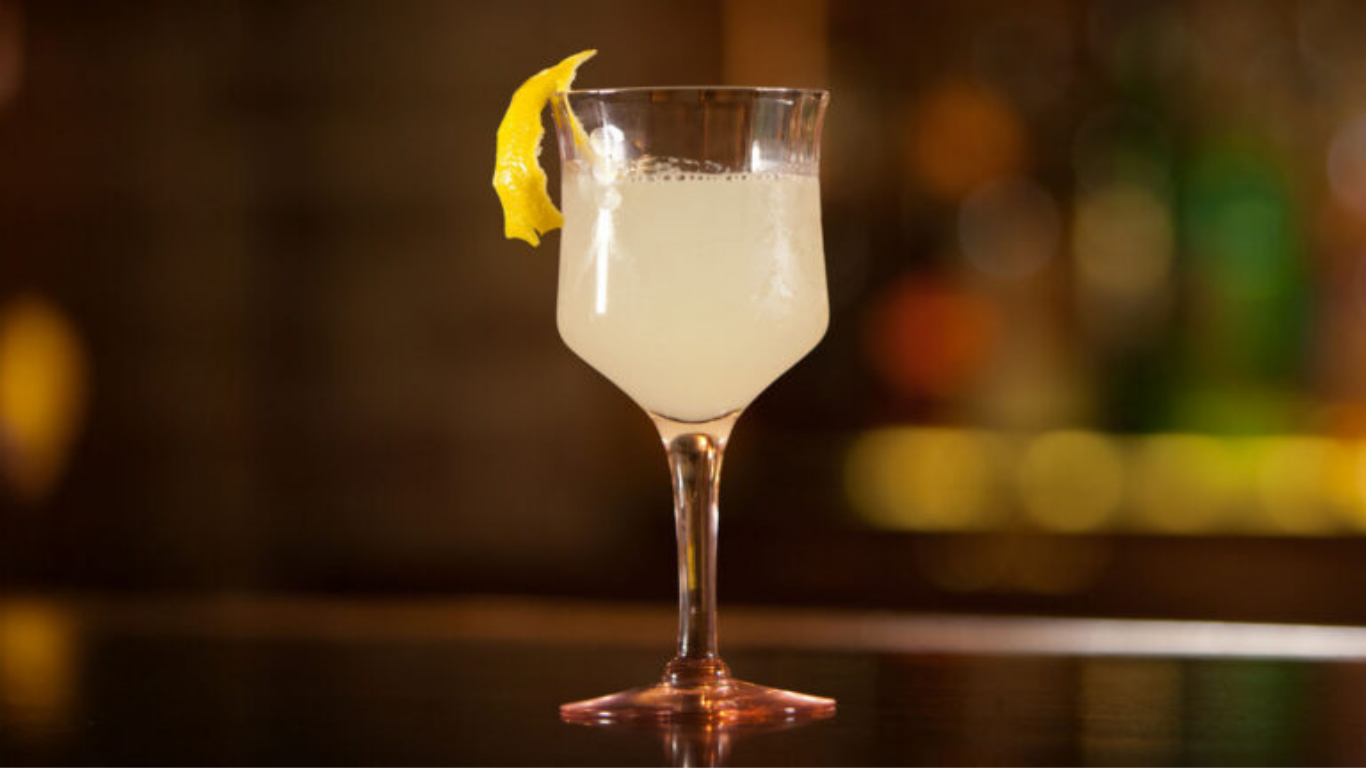
The French 75 is one of those classic drinks that manages to feel both celebratory and slightly dangerous at the same time. At first glance it looks like pure elegance: a tall, sparkling glass of champagne lifted with a sharp citrus note and a measure of gin. Yet the name itself carries the weight of a First World War field gun, and the cocktail has always been associated with a certain bracing power. Ask any bartender or cocktail enthusiast “what is a French 75” and you will usually receive a smile of recognition before the explanation begins.
This is not a modern invention designed for Instagram. The French 75 belongs to the golden age of cocktail culture that flourished in the years after the First World War. It has appeared in films, literature and smart bars on both sides of the Atlantic for nearly a century. Its appeal lies in the contrast between its refined appearance and the surprising strength that earned it its military nickname. Understanding what a French 75 is means looking at more than a simple recipe; it means tracing a drink that moved from wartime Paris and London into the repertoire of the world’s great cocktail bars.
Origins and Early Mentions
The precise birth of the French 75 is still debated by drinks historians, but the main lines of the story are clear enough. The name comes from the famous French 75 mm field gun – the Canon de 75 modèle 1897 – which was widely admired for its speed, accuracy and devastating effect during the First World War. Soldiers and civilians alike used the phrase “French 75” as shorthand for something that packed a serious punch.
Popular legend sometimes claims that Allied soldiers in the trenches mixed the drink from whatever they could find and served it in empty shell cases. That story is colourful but unsupported by contemporary evidence. What we do know is that versions of a strong, citrusy champagne drink were circulating in Paris and London by the early 1920s.
Harry MacElhone, the legendary Scottish bartender who ran Harry’s New York Bar in Paris, published an early recipe under the simple name “75” in his 1919 book The ABC of Mixing Drinks. Around the same time, the London bartender known as MacGarry of Buck’s Club was also associated with a similar creation. These first printed recipes were not identical to the drink we recognise today. Some contained Calvados, grenadine or absinthe; others more closely resembled a Tom Collins finished with soda water rather than champagne.
The version that settled into the modern form – gin, lemon juice, sugar and champagne – first appeared in print in 1927 in Judge Jr’s Here’s How.
The Classic French 75 Explained
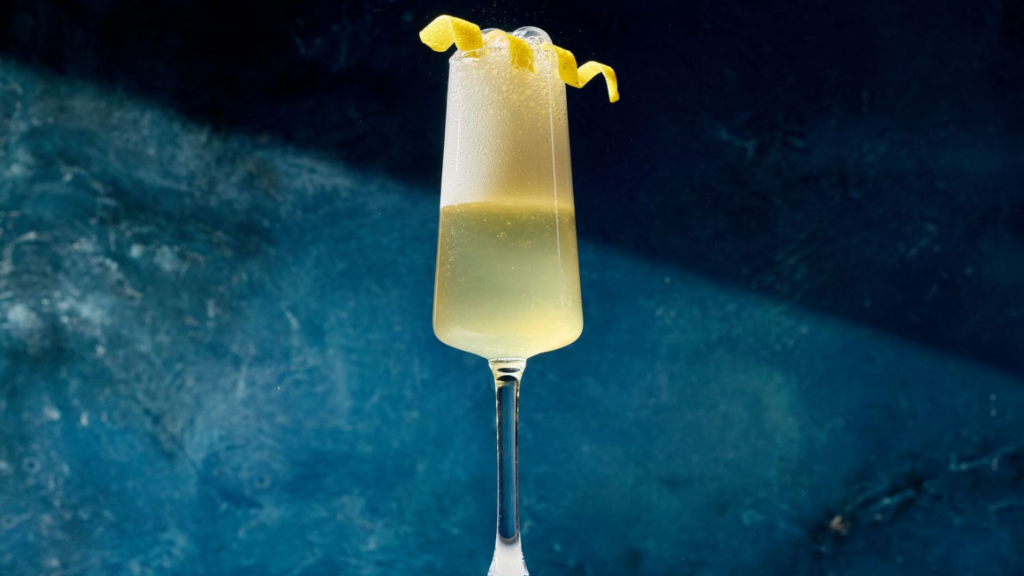
So what is a French 75 in practical terms? The standard modern recipe is straightforward and elegant. It typically calls for:
- 30 ml (1 oz) London dry gin
- 15 ml (½ oz) fresh lemon juice
- 15 ml (½ oz) sugar syrup
- Approximately 60–90 ml chilled champagne or dry sparkling wine to top
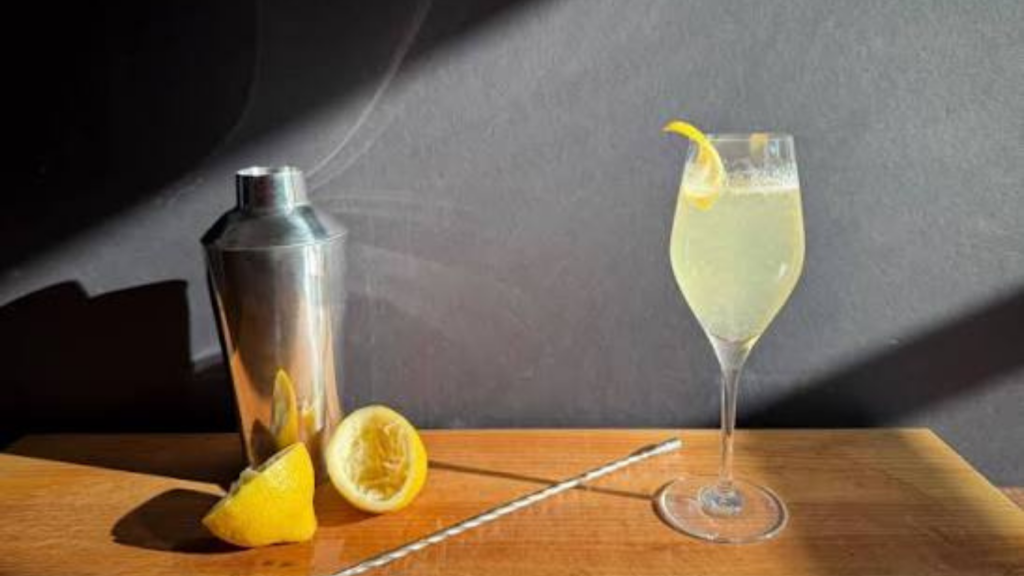
The spirit, citrus and syrup are shaken with ice, strained into a chilled champagne flute or coupe, and then lengthened with the sparkling wine. A thin lemon twist is the usual garnish. The result is bright, dry and effervescent, with the gin providing backbone and the champagne lifting the whole drink into something festive.
Some older recipes used cognac instead of gin, and a few contemporary bartenders still prefer that richer style. Others experiment with different sparkling wines or adjust the sweetness to suit modern tastes. The essential character, however, remains the same: a sparkling cocktail that feels lighter than a pure spirit drink yet far more substantial than ordinary champagne.
Because the French 75 contains both a distilled spirit and champagne, it is stronger than many people expect from a sparkling drink. That combination of elegance and quiet power is exactly why the military nickname stuck.
Rise to Popularity and Cultural Appearances
Once the recipe stabilised in the late 1920s, the French 75 moved quickly into the wider cocktail repertoire. In New York it became a favourite at the glamorous Stork Club. In London it found a natural home in the smart hotel bars and members’ clubs of the inter-war years. The Savoy Cocktail Book’s endorsement gave it lasting credibility among professional bartenders.
The drink has made regular appearances in popular culture. Each appearance reinforces the image of the French 75 as a sophisticated choice for characters who want something more interesting than plain champagne.
Its cultural staying power comes from that dual identity. It can sit comfortably at a formal celebration yet still carry a hint of wartime romance and Jazz Age excess. Unlike many forgotten cocktails of the same era, the French 75 never entirely disappeared from bar menus.
Variations and Modern Interpretations
Like most classic drinks, the French 75 has inspired a family of variations. Replace the gin with cognac and you have a French 125. Use bourbon and the result is sometimes called a French 95. Some bars serve a longer version over ice in a highball glass, closer to the original Tom Collins style that appeared in the earliest recipes. Others experiment with elderflower liqueur, different citrus or craft gin for a contemporary twist.
Despite these experiments, most serious cocktail bars still keep a classic French 75 on the list. The formula is simple enough to prepare consistently yet distinctive enough to feel special. In an age of elaborate multi-ingredient creations, that restraint is part of its appeal.
Quick Facts
| Detail | Information |
| Full Name | French 75 (also known as 75 Cocktail or Soixante-Quinze) |
| First Recorded | Early 1920s (modern recipe 1927) |
| Named After | French 75 mm field gun of the First World War |
| Primary Ingredients | Gin, lemon juice, sugar syrup, champagne |
| Usual Glassware | Champagne flute or coupe |
| Style | Sparkling cocktail |
| Known For | Bright citrus flavour and unexpected strength |
| Cultural Peak | 1920s–1930s, with lasting popularity since |
Legacy and Lasting Appeal
Nearly a century after its first appearance in print, the French 75 continues to answer the question of what makes a classic cocktail endure. It balances acidity, sweetness, spirit and sparkle in proportions that still feel modern. It carries a memorable story without needing elaborate theatrics. And it occupies a useful middle ground between a pure champagne cocktail and a stronger mixed drink.
Conclusion
For many people the French 75 remains the drink they order when they want something celebratory that still has character. Its history connects the trenches of the First World War, the cocktail bars of Paris and London in the 1920s, and the polished hotel lounges of today. That long thread of continuity is rare in the world of mixed drinks.