In the chilly mornings of Bolivia’s Andean highlands, few things warm the body and soul quite like a steaming cup of api paired with a fresh, crispy pastel. For locals and visitors alike, searching for the best api con pastel near me is more than a quick Google query — it’s a quest for comfort, tradition, and authentic flavour.
This humble yet iconic pairing has become a symbol of Bolivian identity. Whether you’re wandering the bustling markets of La Paz, Oruro, or Potosí, or seeking it out in diaspora communities, the combination of thick, spiced purple corn drink and a golden fried pastry delivers pure satisfaction. Its enduring popularity speaks to the power of simple, heartfelt food that connects generations.
What Is Api Con Pastel?
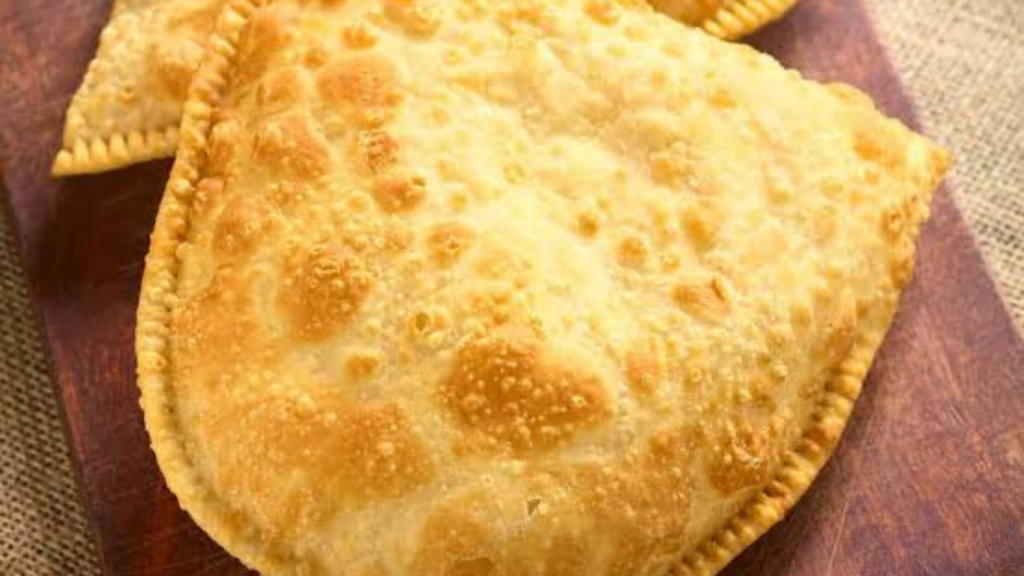
Api con pastel is a traditional Bolivian breakfast (or merienda) featuring two complementary elements. Api is a thick, warming beverage made primarily from purple corn (maíz morado), while the pastel is a light, crispy fried pastry typically filled with cheese and dusted with icing sugar.
The dish perfectly balances sweet and savoury notes. The api offers earthy sweetness with aromatic spices, and the pastel provides a satisfying crunch with melty interior. It is especially cherished in the altiplano region, where it combats the cold Andean mornings.
Origins and Cultural Significance
The roots of api trace back to pre-Hispanic Andean traditions. The word “api” comes from Quechua, referring to a type of thick maize porridge or colada. Indigenous communities long prepared versions with purple corn, valued for its nutritional properties and vibrant colour.
Spanish colonial influence added ingredients like sugar, cinnamon, cloves, and citrus zest, refining the recipe into the comforting drink enjoyed today. The pastel, a fried cheese-filled pastry, reflects European frying techniques blended with local ingredients. This fusion exemplifies Bolivian gastronomy’s rich indigenous-colonial heritage.
Over centuries, api con pastel has become a daily ritual and a cultural emblem, particularly during festivals like Alasitas or Todos Santos celebrations, where families and vendors uphold the tradition.
How to Make Api Con Pastel at Home
Recreating this dish is straightforward and rewarding. For the api (serves about 4–6):
- Use ground purple corn flour or soaked purple corn kernels.
- Simmer with water, cinnamon sticks, cloves, and orange or lemon zest.
- Sweeten to taste with sugar or panela. Cook until thick and fragrant, stirring to avoid lumps.
For the pasteles:
- Prepare a simple dough with flour, a little fat (such as lard or butter), water, and salt.
- Fill with fresh or semi-soft cheese.
- Seal and fry in hot oil until golden and puffy. Drain and dust generously with icing sugar.
The contrast of hot, spiced api with the warm, cheesy pastel is magical. Many dunk pieces of pastel into the drink for the ultimate experience.
Finding the Best Api Con Pastel Near Me
Location matters when hunting for the best api con pastel near me. In Bolivia, street vendors and market stalls in La Paz’s Mercado Lanza or Oruro often serve some of the most authentic versions, prepared fresh from early morning.
Look for spots where the api is thick, richly spiced, and naturally coloured from real purple corn, and where pasteles are fried to order for maximum crispiness. In diaspora communities or international cities with Latin American populations, Venezuelan or Bolivian eateries may offer their own interpretations — though traditional Bolivian versions remain distinct.
Tips for seekers:
- Check opening hours — many vendors start very early.
- Read recent reviews for freshness and flavour consistency.
- Ask locals or follow food groups on social media for hidden gems.
- During colder months or festivals, demand peaks, so arrive early.
Variations and Modern Twists
While the classic api morado with cheese pastel dominates, variations exist. Some prefer api blanco (made with white corn and often milk) or a mix of both. Pasteles can occasionally feature different fillings or be served with buñuelos during holidays.
Modern adaptations might include gourmet cheeses or added ingredients, but purists argue the traditional recipe needs little improvement. Its simplicity is its strength — wholesome, energising, and deeply satisfying.
Nutritional Benefits and Why It Endures
Beyond taste, api con pastel offers practical benefits. Purple corn is rich in antioxidants, and the combination provides carbohydrates for energy, protein from cheese, and warming spices that aid digestion. In the high-altitude Andes, it’s both practical and nourishing.
Its cultural staying power comes from accessibility and emotional resonance. It is affordable street food that feels like home, evoking memories of family breakfasts and bustling markets.
Quick Facts About Api Con Pastel
| Detail | Information |
| Full Name | Api con Pastel |
| Origin | Bolivia (primarily Andean regions) |
| Main Ingredients | Purple corn, spices, cheese, flour |
| Typical Serving Time | Breakfast or afternoon snack |
| Cultural Role | Traditional comfort food and symbol of Bolivian heritage |
| Popular In | La Paz, Oruro, Potosí, and Bolivian communities worldwide |
Legacy and Lasting Impact
Api con pastel represents more than a meal — it embodies Bolivian resilience, cultural pride, and the joy of shared traditions. In a world of fast food and globalisation, it stands as a delicious reminder of the value of local ingredients and time-honoured recipes. Its growing international recognition through food blogs, travel writing, and diaspora communities ensures this humble dish continues to introduce new audiences to Bolivian flavours.
The dish teaches appreciation for simplicity done well and the importance of preserving culinary heritage amid change.
Conclusion
In the end, the search for the best api con pastel near me often leads to more than great food — it connects you to a vibrant culture and the warmth of Andean mornings. Whether enjoyed on a street corner in Bolivia or recreated in your own kitchen, it never fails to satisfy.