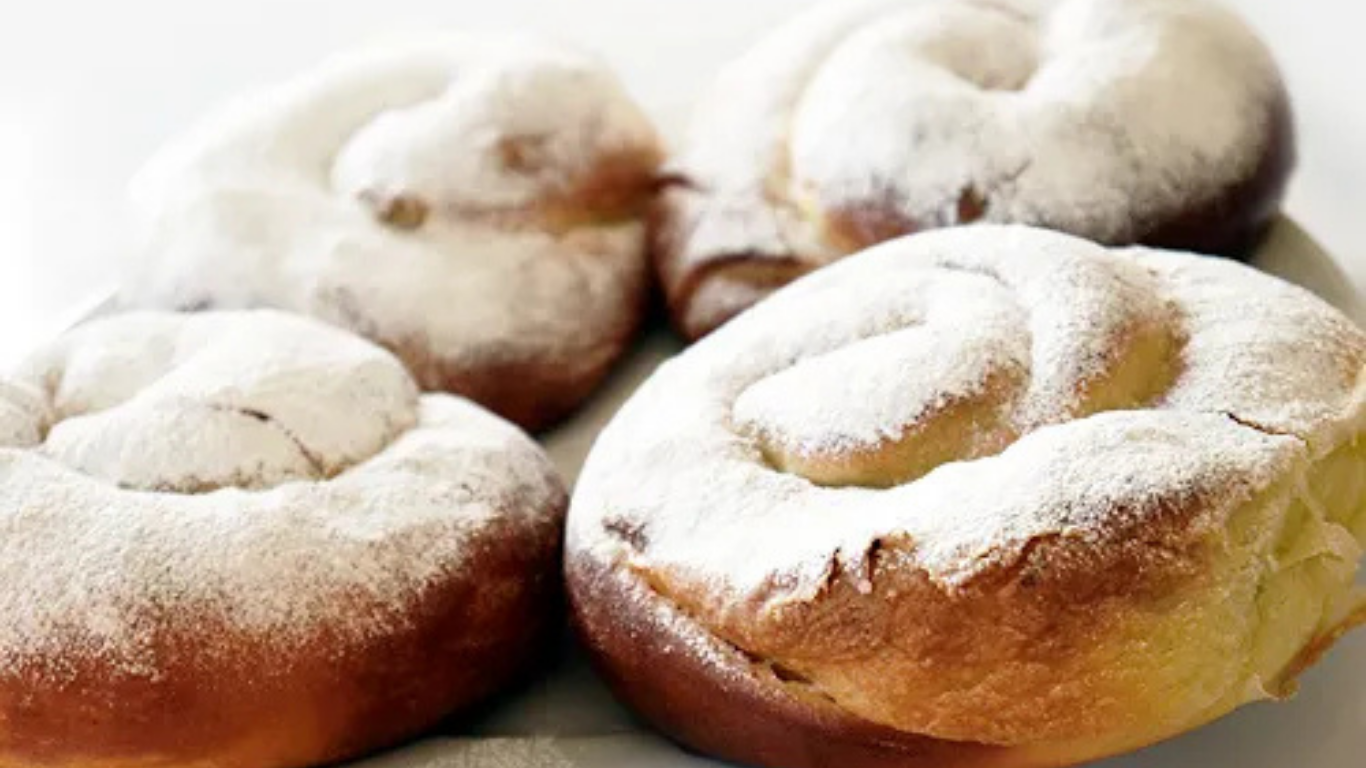
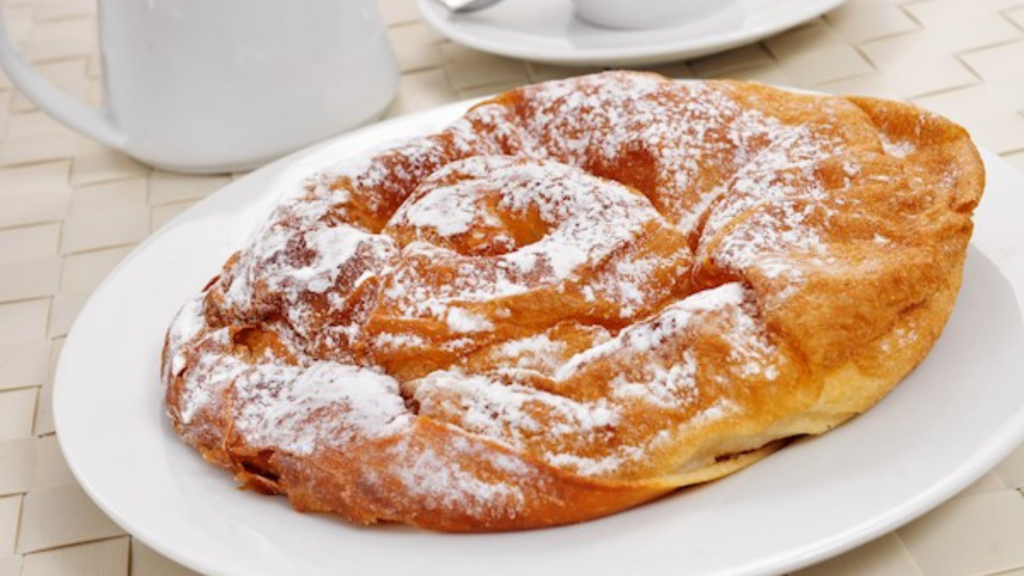
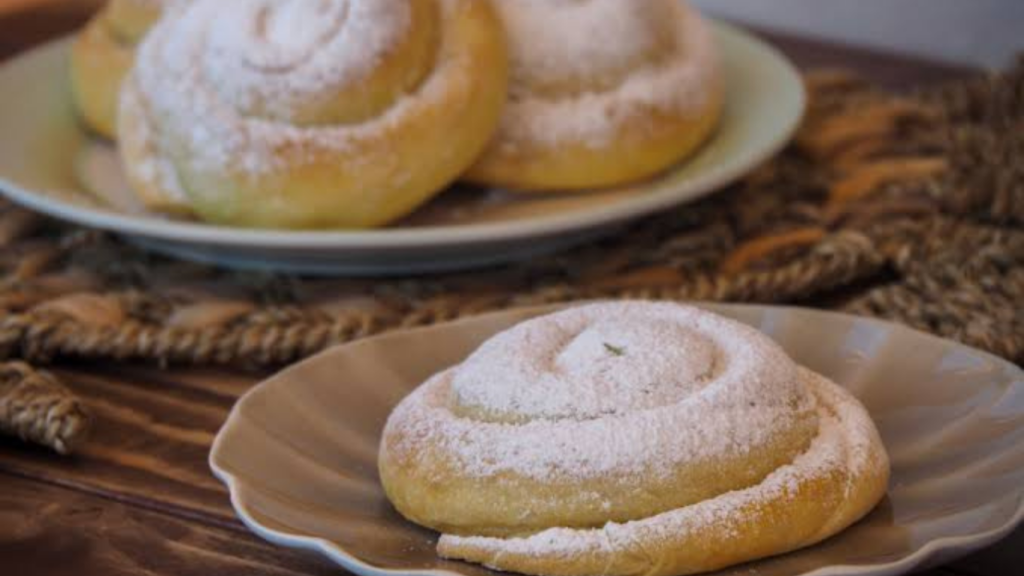
When you type “best ensaimada near me” into a search engine, you’re tapping into a craving that spans continents. This fluffy, sugar-dusted spiral of pastry, with its distinctive coiled shape and rich, buttery (or traditionally lard-enriched) layers, is Mallorca’s most famous edible export. Whether you’re a tourist who tasted one on the island or a curious food lover at home in the UK, the hunt for an authentic version is always rewarding.
Ensaimadas have a devoted following for good reason. Their light, airy texture contrasts beautifully with the sweet dusting of icing sugar on top, and filled varieties add exciting layers of flavour. In the UK, genuine examples can be harder to track down than in Palma, but dedicated importers, Spanish bakeries, and even skilled home bakers keep the tradition alive. This guide explores everything from the pastry’s fascinating origins to practical tips for finding (or making) the best ensaimada near you.
Origins and Background of the Ensaimada
The ensaimada de Mallorca traces its roots to the Balearic Islands, with the first written references appearing in the 17th century. Its name derives from the Mallorcan word saïm, meaning pork lard, a key traditional ingredient that gives the dough its characteristic tenderness and flavour.
Historians debate its precise beginnings. Some link it to Moorish influences during the Arab occupation of the islands, pointing to similar spiral-shaped sweets. Others suggest Jewish origins, with connections to bulemas or Sabbath breads, later adapted with lard perhaps as a marker of cultural assimilation after the Reconquista. Whatever the truth, by the 18th and 19th centuries, ensaimadas had become a staple for festivals and everyday enjoyment on the island.
Early ensaimadas were simple, made with strong flour, water, sugar, eggs, mother dough (sourdough starter), and lard. Families and small bakeries stretched the dough paper-thin by hand, brushed it with fat, rolled it into a long strip, and coiled it into its signature spiral before a long fermentation and baking. This labour-intensive process remains central to authentic versions today.
The Rise and Enduring Popularity of Ensaimada
Ensaimadas gained wider fame as Mallorca became a tourist destination. Travellers returning home with the distinctive hexagonal boxes helped spread the pastry’s reputation across Spain and beyond. In the 19th century, establishments like La Mallorquina in Madrid introduced it to the mainland.
The pastry’s versatility fuelled its success. The classic llisa (plain) version is dusted generously with icing sugar. Filled options include cabell d’àngel (sweet pumpkin strands), cream, chocolate, or sobrasada (a cured sausage paste for a savoury-sweet twist). In the Philippines, brought by Spanish colonisers, it evolved into a butter-based, cheese-topped treat often enjoyed with hot chocolate.
Today, protected status as a product with Indicación Geográfica Protegida (IGP) safeguards the traditional Mallorcan ensaimada. Only those made on the island to strict standards can carry the official designation, though skilled bakers elsewhere produce excellent interpretations.
Challenges in Production and Modern Adaptations
Making a proper ensaimada demands patience and skill. The dough requires extended fermentation—often 12–24 hours—for its signature lightness. Stretching it thinly without tearing is an art passed down through generations of bakers.
Industrial versions abound, especially at airports, but they often lack the delicate layers and flavour of handmade ones. Artisanal producers emphasise quality ingredients and traditional methods, even as they experiment with new fillings to appeal to contemporary tastes. Vegetarian adaptations frequently swap lard for butter, maintaining the richness while broadening accessibility.
In the UK, the main challenge is sourcing fresh, high-quality examples. Supply chains from Mallorca help, but freshness is key—ensaimadas are best enjoyed soon after baking.
Variations and Personal Touches
Traditional Mallorcan ensaimadas shine in their simplicity, but creativity abounds. Popular fillings include custard (crema), toasted cream, chocolate, or seasonal fruits. Savoury versions with sobrasada appeal to those who enjoy contrast.
Philippine-style ensaymadas, softer and topped with grated queso de bola or cheese, offer a different but equally addictive experience. UK bakers and home cooks often blend influences, creating fusion versions with local twists like almond frangipane or British seasonal produce.
Finding the Best Ensaimada Near You in the UK
Searching “best ensaimada near me” in the UK typically points to Spanish delis, online importers, or skilled independent bakeries. London and other major cities with strong Mediterranean communities are your best bet. Look for places specialising in Mallorcan or Spanish pastries.
For authentic taste, consider ordering from reputable sources that ship from Spain or use traditional recipes. Some UK bakeries, such as those with Spanish heritage, produce credible versions using butter for a vegetarian-friendly result. Freshness matters enormously—seek out spots that bake daily or in small batches.
If you’re adventurous, try making them at home. Recipes emphasise slow fermentation and careful stretching. While it takes time, the reward of pulling a warm, golden spiral from your oven is immense. Pair it with strong coffee or thick hot chocolate for the full experience.
Quick Facts on Ensaimada
| Detail | Information |
| Full Name | Ensaimada de Mallorca |
| Place of Origin | Mallorca, Balearic Islands, Spain |
| Key Ingredients | Strong flour, water, sugar, eggs, mother dough, lard (or butter) |
| Signature Feature | Spiral shape, airy layered texture |
| Protected Status | IGP (Indicación Geográfica Protegida) |
| Common Variations | Llisa (plain), cabell d’àngel, cream, chocolate |
| Best Enjoyed | Fresh, with coffee or hot chocolate |
Lasting Impact and Cultural Significance
The ensaimada embodies Mallorca’s rich cultural tapestry—a blend of historical influences shaped into a beloved everyday treat. It symbolises hospitality and celebration, travelling far beyond the island as both souvenir and comfort food.
Its enduring appeal lies in simplicity done exceptionally well. In a world of fleeting food trends, the ensaimada remains a constant, reminding us that great pastries often come from patience, quality ingredients, and respect for tradition.
Conclusion
Whether you’re tracking down the best ensaimada near me on a Sunday morning or planning a trip to Mallorca, this iconic pastry never fails to delight. Its light, pillowy coils and sweet finish offer pure joy in every bite. While nothing quite beats one fresh from a Palma bakery, excellent options exist closer to home for those in the UK who know where to look—or are willing to try their hand at baking.